

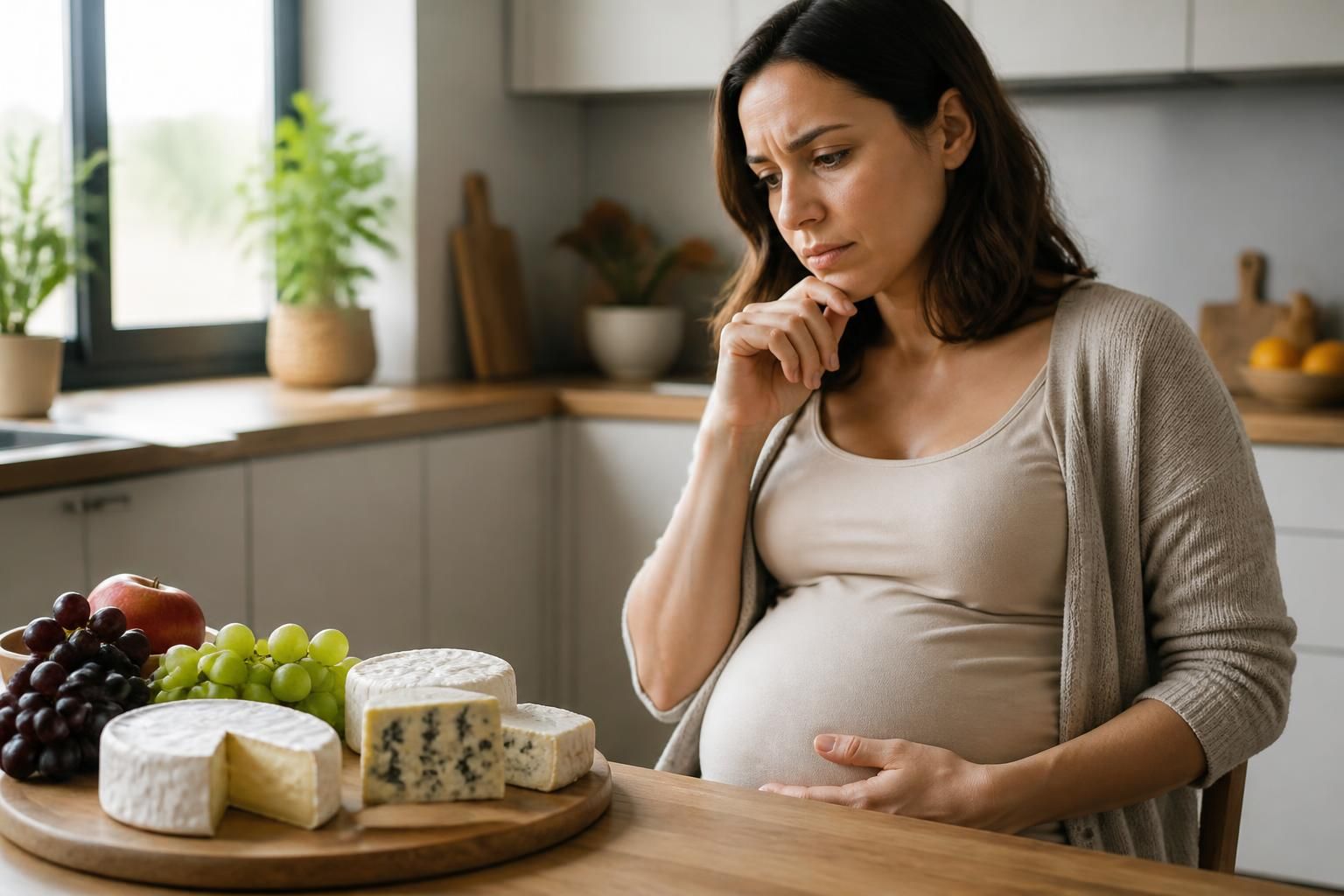
Soft cheese seduces with its creamy texture and subtle flavors, but during pregnancy, this pleasure comes with increased caution. Beneath this apparent gentleness lies a known but often overlooked risk: listeriosis, a dreaded infection for the pregnant woman and her baby. This bacterium, Listeria monocytogenes, finds a favorable environment in certain cheeses made from raw milk or poorly stored. Being informed to better enjoy is the path that expectant mothers must take to combine indulgence and food safety daily.
The article in brief
A delicate balance between the pleasure of soft cheese and essential precautions for a serene pregnancy.
- Prioritize food safety: choose cheeses made from pasteurized milk to limit listeriosis.
- Cheeses to avoid urgently: raw milk and high humidity, the perfect cocktail for Listeria bacteria.
- Reassuring alternatives: favor hard cheeses and well-cooked processed cheeses.
- Everyday hygiene: careful handling, storing in cool conditions, and quick consumption.
With the right information, pregnancy nutrition can rhyme with softness and serenity, without compromise.
Soft cheese and pregnancy: decoding essential food risks
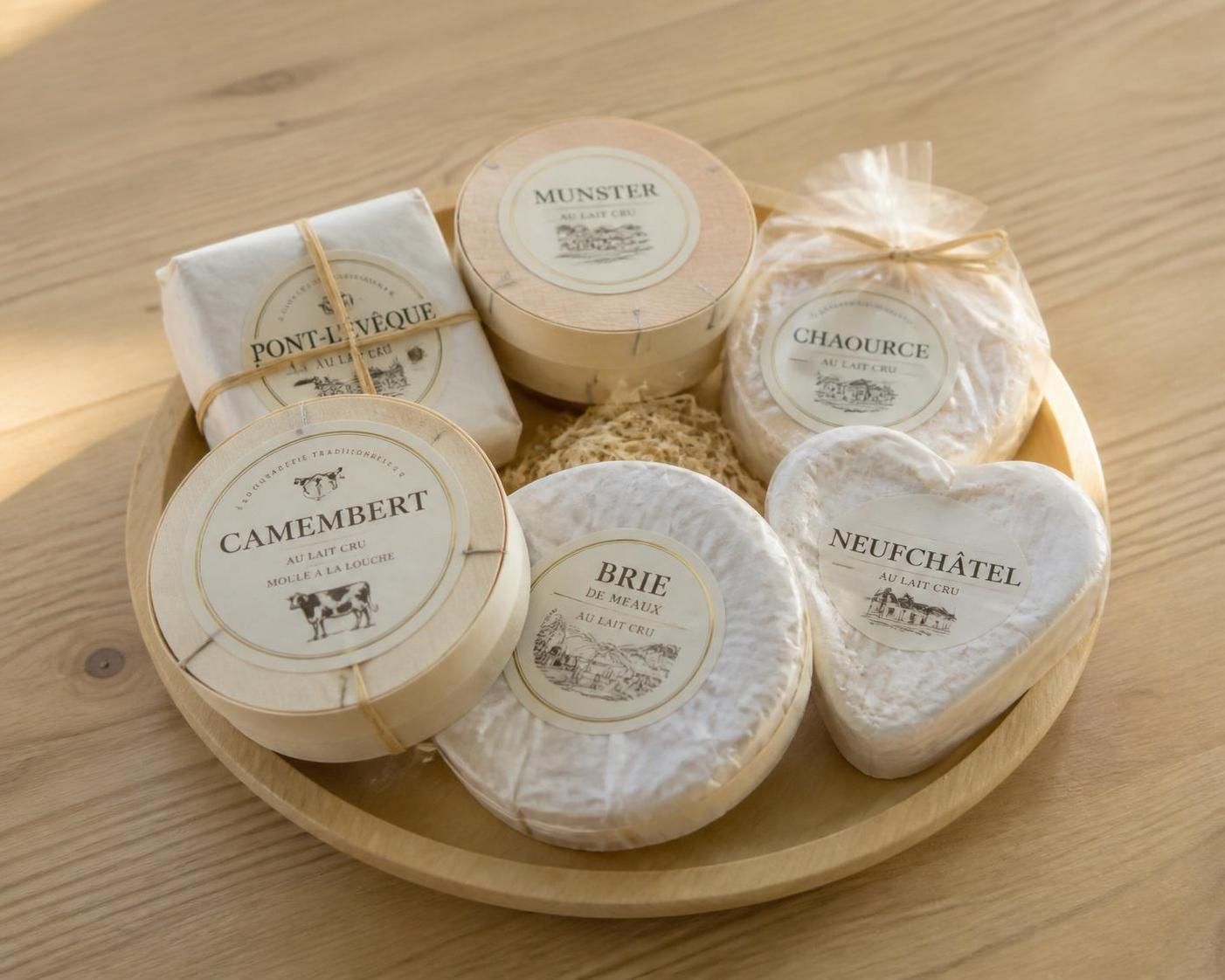
Over the nine months, soft cheese becomes a subject of vigilance. Camembert, Brie, Reblochon… so many names commonly found in the kitchen but which, if made from raw milk, may harbor the dreaded bacteria Listeria monocytogenes. This is the main cause of listeriosis, a serious infection that can cause miscarriages or premature births. Its preference for humid and cool environments makes soft cheese a fertile ground. A delicate subject to approach, which mixes food safety and gustatory pleasure at the heart of pregnant women’s concerns.
The invisible threat: understanding listeriosis and its specificity in pregnancy
A rare but powerful infection, listeriosis strikes without warning. Symptoms, often mild (fever, headaches, digestive disorders), hide a major danger when concerning an expectant mother. The bacterium attacks the fetus via the placenta, hence the heightened vigilance towards foods, especially those with contamination risks. Consuming a soft cheese made from raw milk without precautions is opening the door to this risk. Prevention then becomes the first barrier in this food fight.
Which soft cheeses can be consumed during pregnancy?
No question of banning cheese altogether. The key lies in rigorous selection. Milk pasteurization is a precious ally. It eliminates most pathogens. Thus, certain camemberts, bries, or fresh cheeses made from pasteurized milk fit into a safe diet. Pasteurized mozzarella, ricotta, or mascarpone also offer tasty options. To find your way, always check the label “pasteurized milk.” Also consider preferring packaged cheeses, avoiding the risk of cross-contamination during slicing in stores.
List of safe soft cheeses during pregnancy
- Pasteurized Camembert, Brie, Coulommiers: to be consumed fresh and quickly.
- Pasteurized fresh cheeses: Mozzarella, Ricotta, Mascarpone – perfect in salad or cooked dishes.
- Industrial processed cheeses: Babybel, La Vache qui rit, Kiri, secured by double heat treatment.
Such practical vigilance makes it possible to enjoy without anxiety, keeping the pleasure of the table intact.
Cheeses to absolutely avoid during pregnancy
Happy cheese lovers will have to absolutely set aside certain treats. These are prohibited:
- Soft cheeses made from raw milk: Normandy Camembert AOP, Brie de Meaux, Reblochon, Munster.
- Blue-veined cheeses made from raw milk: Roquefort, Bleu d’Auvergne, Gorgonzola.
- Goat and sheep cheeses made from raw milk: Crottin de Chavignol, Pélardon, whose moist texture and lightly treated rind increase the risk.
| Type of cheese | Examples | Reason for risk |
|---|---|---|
| Soft cheeses made from raw milk | Normandy Camembert, Brie de Meaux, Reblochon | High humidity + bloomy or washed rind + raw milk = high contamination |
| Blue-veined cheeses made from raw milk | Roquefort, Bleu d’Auvergne, Gorgonzola | Internal molds + humidity + raw milk = increased risk of listeriosis |
| Goat and sheep cheeses made from raw milk | Crottin de Chavignol, Pélardon | Raw milk + short aging + consumption of the rind favor infection |
You can deepen this subject with additional recommendations on consumption of sheep cheeses during pregnancy and associated risks.
Reassuring alternatives to continue a gourmet pregnancy diet
Hard cheeses offer a very interesting compromise. Their low water content limits bacterial proliferation. Comté, Emmental, Gruyère, or Parmesan belong to this category. Even raw milk versions are often safer thanks to a long aging process. For tasting, well-heated raclette proves risk-free – provided to avoid raw cheese at the counter. This precaution is also found in the preparation of many dishes like tartiflette, where the final cooking ensures the destruction of bacteria.
This subject is detailed for raclette in this article, which deciphers the risks of raclette for pregnant women.
Recommended cheeses for pregnant women
- Hard cheeses (cooked pressed): Comté, Emmental, Parmesan, Gruyère – to be consumed packaged and well stored.
- Industrial processed cheeses: individual portions such as Babybel or Kiri, made according to strict standards.
- Cooked cheeses in dishes: raclette, well-heated savoyard fondue for guaranteed safety.
Hygiene and daily precautions for a safe diet
Despite careful selection, good habits strengthen protection. Wash hands before handling, use dedicated utensils, and thoroughly clean cutting boards and knives to avoid any contamination. The cold chain reigns: ideally keep cheese below 4 °C and do not exceed the expiration date. Favor packaged cheeses also avoids cross-contamination. During appetizers or buffets, limit exposure time at room temperature, an environment conducive to bacterial proliferation. This rigor makes all the difference in preventing food risks in general, and listeriosis in particular.
Little tips to rediscover the pleasure of cheese in complete serenity
Why not include a piece of Comté in a fresh salad or pair it with nuts and apples? Industrial mozzarella, pasteurized, gladly joins a Caprese salad, bringing freshness and softness. The temptation of forbidden cheeses can also be tamed by exploring plant-based alternatives, without milk or associated risks. Reinventing pleasures while keeping an eye on the label becomes a way of life during pregnancy nutrition. A perfectly possible compromise, far from any frustration, where safety and delight flow naturally.
- Systematically check for the “pasteurized milk” mention on the label.
- Prefer packaged cheeses rather than those sold by the counter to avoid cross-contamination.
- Consume fresh cheeses quickly after opening and do not exceed the expiry date.
- Use clean and separate utensils for cutting cheese.
- Maintain a storage temperature between 0°C and 4°C.
Can you eat camembert while pregnant?
Raw milk camembert is forbidden due to the high risk of listeriosis. However, pasteurized versions, respecting freshness and hygiene rules, can be consumed with caution.
Why is listeriosis particularly dangerous during pregnancy?
Listeriosis, caused by the bacterium Listeria monocytogenes, can cause miscarriages, prematurity, or severe infections in the newborn, hence the heightened vigilance during pregnancy.
How to choose a safe cheese during pregnancy?
Opt for cheeses made from pasteurized milk, always check labels, avoid bloomy or washed rinds made from raw milk, and consume them fresh within the recommended deadlines.
Is raclette compatible with pregnant women?
Yes, provided you use pasteurized raclette cheese, melt it well, and maintain good food hygiene throughout the meal to avoid any contamination.


