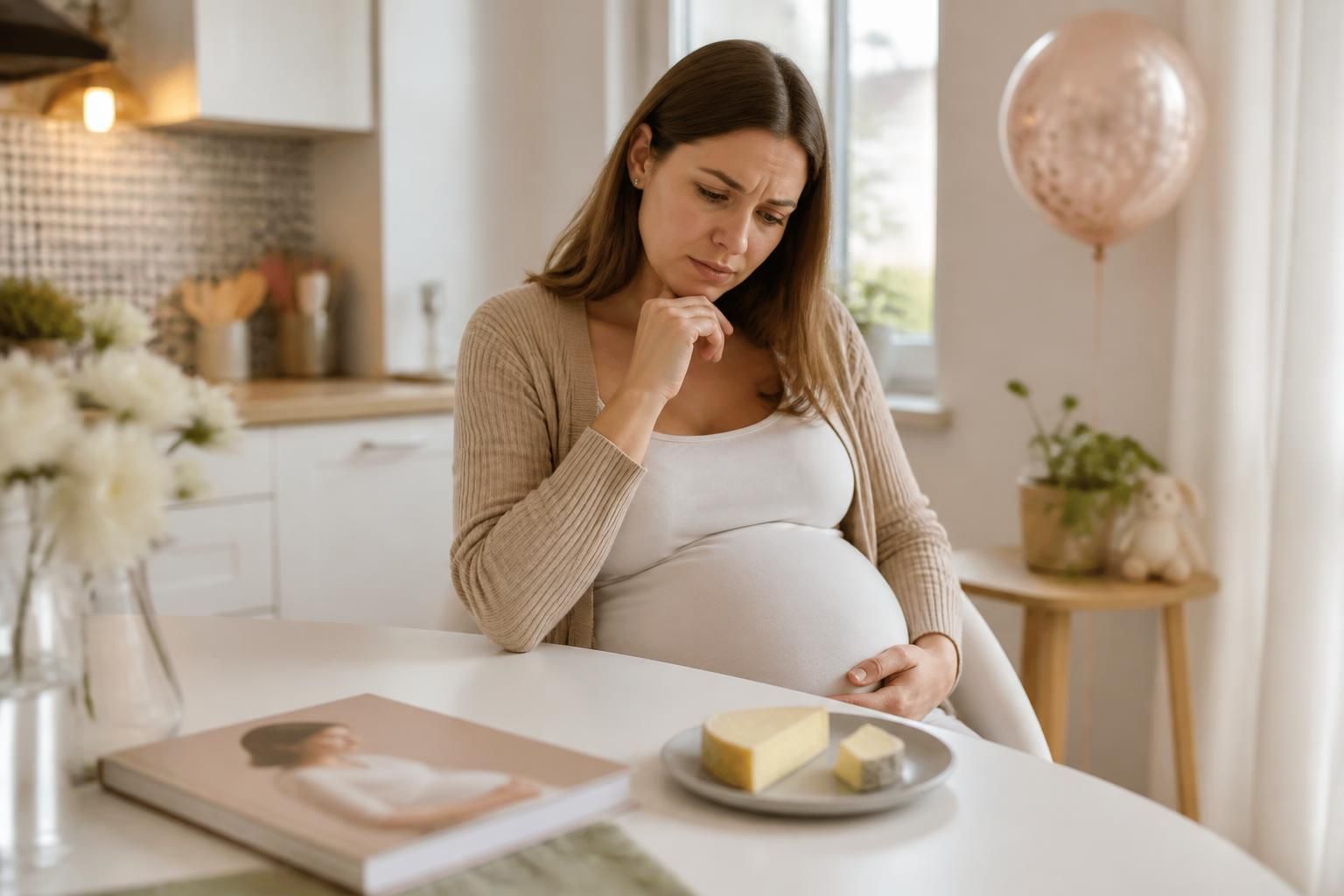
When an expectant mother tastes sheep’s cheese, a delicacy from the terroir with authentic flavors, the question of risks related to pregnancy naturally comes to mind. Between the fear of listeriosis, a stealthy infection that can threaten the unborn baby, and the monitoring of dairy products, vigilance is necessary without depriving oneself of culinary pleasure. In 2026, with the rise of informed consumption, discovering which cheeses to favor and how to limit dangers proves essential to combine food safety and serene indulgence.
The article in brief
Exploring precautions around sheep’s cheese during pregnancy, between risks to avoid and informed choices.
- A threat not to underestimate: Listeriosis, an invisible risk for pregnancy.
- Toxoplasmosis excluded: Sheep’s cheese is not a main vector.
- Safe cheeses to prioritize: Pasteurized and hard cheeses to limit infections.
- Four golden rules for consumption: Careful choice, storage, rind and cooking.
Eating sheep’s cheese while pregnant is possible, provided one adopts reflexes and caution.
Risks linked to the consumption of sheep’s cheese during pregnancy
The flavors of a sheep’s cheese can be a source of comfort, but during pregnancy, every food deserves particular attention. The threat to keep in mind is listeriosis, an infection caused by the bacterium Listeria monocytogenes, capable of contaminating raw milk cheeses or those poorly stored. Without visible alert or alteration in taste, this bacterium can cause in the pregnant woman symptoms ranging from fever to serious risk for the baby, such as miscarriage or premature birth.
Contrary to this concern, toxoplasmosis — often mentioned during pregnancy — is not directly transmitted by cheeses, especially sheep’s cheese. The responsible parasite is mostly found in undercooked meat or contaminated agricultural products. This detail encourages focusing vigilance mainly on overall food quality.

Understanding listeriosis: an invisible enemy in cheeses
Listeriosis develops in cold environments and can infiltrate certain raw milk cheeses, unpasteurized, that have not been stored optimally. Tasting a piece bought at the deli counter can provide a moment of pleasure, but also exposure to this invisible threat, as neither taste nor smell betray the presence of the bacterium. This is why the key message to remember is to prefer pasteurized products, whose safety is enhanced, especially during pregnancy.
The impact on pregnancy sometimes shows subtle signs in the pregnant woman, but the consequences for the baby’s development are severe enough for this precaution to be taken seriously. Especially since the list of symptoms can be very varied, making a rapid diagnosis difficult.
Sheep’s cheese and toxoplasmosis: a reassuring point
Toxoplasmosis is a feared condition, but it is not directly linked to cheese. The parasite Toxoplasma gondii is mainly transmitted through contaminated soil, consumption of undercooked meat, or improperly washed vegetables. Pasteurized milk cheeses, although dairy products, present a very low risk. Only an exceptional and indirect contamination, such as poor hygiene during production, could pose a problem, which remains marginal thanks to strict modern dairy production standards.
Which sheep’s cheeses to choose during pregnancy?
To avoid any food poisoning, the choice is crucial. Cheeses made from pasteurized milk are risk-free allies. Hard cheeses, less moist, hinder bacterial survival and are more recommended. Conversely, raw milk cheeses, such as some Roqueforts or Reblochons, should be avoided, as well as soft-ripened cheeses with bloomy or washed rind, often conducive to Listeria development.
| Type of sheep’s cheese | Recommended Consumption During Pregnancy | Reason |
|---|---|---|
| Pasteurized Pecorino | Yes | Heat treatment that eliminates dangerous bacteria |
| Raw milk cheese (Roquefort, Reblochon) | No | Possible presence of pathogenic bacteria |
| Soft cheeses with bloomy rind (Brie, Camembert) | To avoid | Favors Listeria proliferation |
| Hard cheese (Comté, Emmental) | Yes | Low moisture, fewer bacterial risks |
Four practical tips to enjoy sheep’s cheese during pregnancy safely
- Check labeling: Imperatively choose pasteurized milk cheeses and avoid deli counter purchases, which are often less controlled.
- Store correctly: Keep cheeses at a cool temperature, ideally below 4°C, and consume quickly after opening.
- Avoid rinds: For allowed cheeses, remove the rind that may harbor dangerous microorganisms.
- Cook risky cheeses: Melt sensitive cheeses above 75°C to eliminate all bacteria, perfect for gratins or hot dishes.
Thanks to these simple gestures, tasting sheep’s cheese during pregnancy can remain a gentle pleasure that delights the taste buds without compromising food safety.
To deepen your knowledge about food safety during pregnancy, especially with pecorino, do not hesitate to consult this detailed article: the risks of pecorino during pregnancy.
How to recognize a pasteurized sheep’s cheese?
Look for the mention ‘pasteurized milk’ on the packaging. If in doubt, ask the cheesemonger, who knows their product well.
Is it safe to consume grated cheese during pregnancy?
Yes, if the grated cheese is industrial, sealed and pasteurized. Avoid grated cheeses from the deli counter, which are less safe.
Can you eat raclette while pregnant?
Yes, provided it is made from pasteurized cheese. Eat it hot and melted to eliminate risks.
Are cheese rinds dangerous for pregnant women?
The rind can harbor bacteria even on pasteurized cheeses. It is recommended to remove it before consumption.