

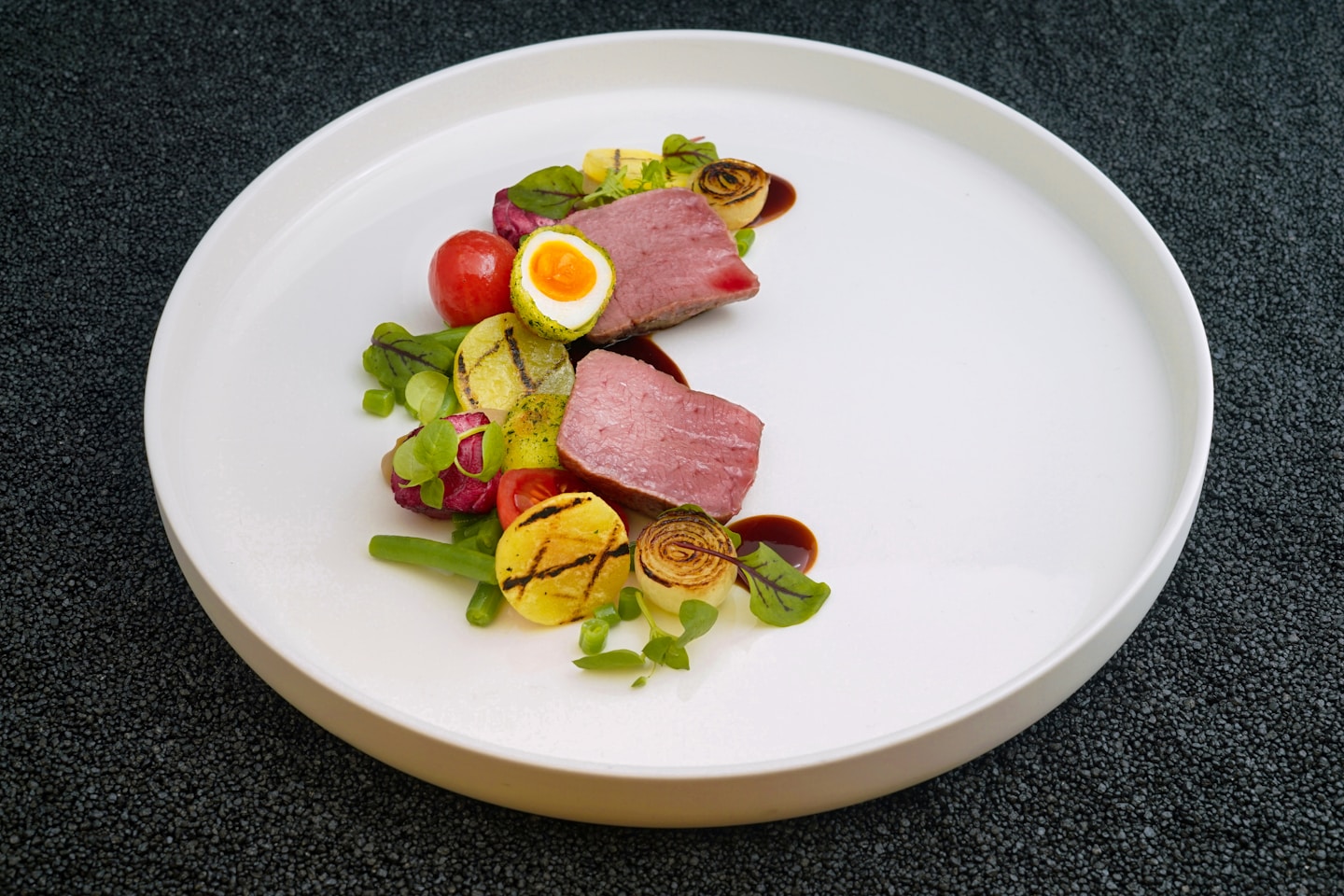
When the holidays arrive, foie gras often takes its place as king on our tables, awakening alternately desire and caution, especially for expectant mothers. Eating this delicate dish during pregnancy is not a strict prohibition but a subtle balance between pleasure and safety. Rich in flavors and vitamin A, one must still know how to distinguish safe preparations from food risks to avoid, such as the dreaded listeriosis. Through this comforting and gourmet journey, let’s discover how to savor this delicacy while protecting the unborn child.
The article in brief
A clear guide to combining indulgence and precautions around foie gras during pregnancy, so that every bite resonates with serenity.
- Informed choice : prioritize pasteurized foie gras or those cooked to the core at 100°C
- Sanitary vigilance : avoid risks of listeriosis and excess vitamin A
- Gourmet moderation : limit quantities for a healthy balance
- Tasty alternatives : vegetable terrines and fish mousses to vary pleasures
Rediscover the magic of the holidays without any compromise on food safety.
Essential precautions for consuming foie gras during pregnancy
Pregnancy calls for an art of vigilance, where each dish demands a careful eye. Foie gras, as a noble dish, naturally raises questions of food safety notably linked to listeriosis, caused by the bacterium Listeria monocytogenes, a silent and ruthless threat to mother and baby. Insufficient cooking or careless storage can let this bacterium thrive, suddenly making a delicious dish undesirable.
Besides this risk, foie gras concentrates a high dose of vitamin A, a complicated ally during pregnancy. Though indispensable for development, in excess it becomes toxic, promoting malformations and complications. For this reason, consumption must not only be cautious but also measured.
Pasteurized foie gras versus homemade: a world between safety and risk
In the arena of preparations, the choice of foie gras is crucial. Industrial products, whether canned, jarred, or pasteurized blocks, undergo high-temperature cooking (often above 100°C) guaranteeing complete elimination of bacteria. Safety is thus maximal, making them the only ones to be consumed without fears during pregnancy.
Conversely, homemade or artisanal foie gras, often half-cooked, struggles to reach safe homogeneous cooking (70°C at the core), leaving an increased risk of contamination. The simplicity of home culinary practice here becomes the source of a danger not to be underestimated. Thus, it is advised to avoid it to preserve the health of mother and child.
Some practical tips for uncompromising tasting
- Check pasteurization : make sure the foie gras bears the mention of cooking or sterilization at high temperature.
- Respect doses : a thin occasional slice is enough, limiting the consumption frequency to control vitamin A intake.
- Impeccable hygiene : always keep foie gras refrigerated, consume within 48 hours after opening, and avoid any cross-contamination during serving.
- Beware of homemade or discounted preparations : prefer purchases from reliable shops and avoid buffets or cocktails where the cold chain might have been broken.
Tasty variants to discover during pregnancy
What if pregnancy was also an opportunity to reinvent feasts differently? For those who want to avoid any risk without giving up pleasure, some alternatives both safe and delicious are invited to the table:
- Spiced vegetable terrines with autumn colors
- Cooked fish mousses, rich in omega-3 and marine softness
- Truffled or early vegetable veloutés, tasty and light
- Avocado-shrimp verrines, light and full of essential fatty acids
Comparison of foie gras during pregnancy
Quickly discover the risks, recommendations, and advice according to the type of foie gras.
| Type of foie gras | Safety level | Recommended portion | Advice |
|---|
* This table is for informational purposes. Always consult your health professional.
Comparative table of risks and recommendations for foie gras during pregnancy
| Type of foie gras | Safety level | Recommended portion | Recommendations |
|---|---|---|---|
| Pasteurized foie gras (canned, jarred) | High safety | Moderate consumption possible | Prefer this type during pregnancy |
| Artisanal or homemade half-cooked foie gras | High risk | Avoid unless cooked ≥ 70°C | Not recommended during pregnancy |
| Fresh or non-pasteurized cloth-wrapped foie gras | Very high risk | Forbidden | To be absolutely avoided |
Can foie gras be eaten at a restaurant during pregnancy?
Yes, but only if it is pasteurized or sold canned. Pan-fried or half-cooked foie gras is discouraged because cooking may be insufficient.
Is homemade foie gras safe if well cooked?
Homemade cooking is difficult to master precisely, making contamination risk high. It is preferable to avoid consumption during pregnancy.
What alternatives to foie gras are recommended?
Vegetable terrines, cooked fish mousses, vegetable veloutés, and avocado-shrimp verrines are festive options without risk for expectant mothers.
How to store foie gras to avoid risks?
Always keep refrigerated, respect the cold chain, consume quickly (within 48 hours after opening), and avoid repeated freezing.
What to do in case of accidental consumption of unsafe foie gras?
Monitor symptoms (fever, fatigue, digestive troubles) and consult a health professional quickly even if risks remain rare.


