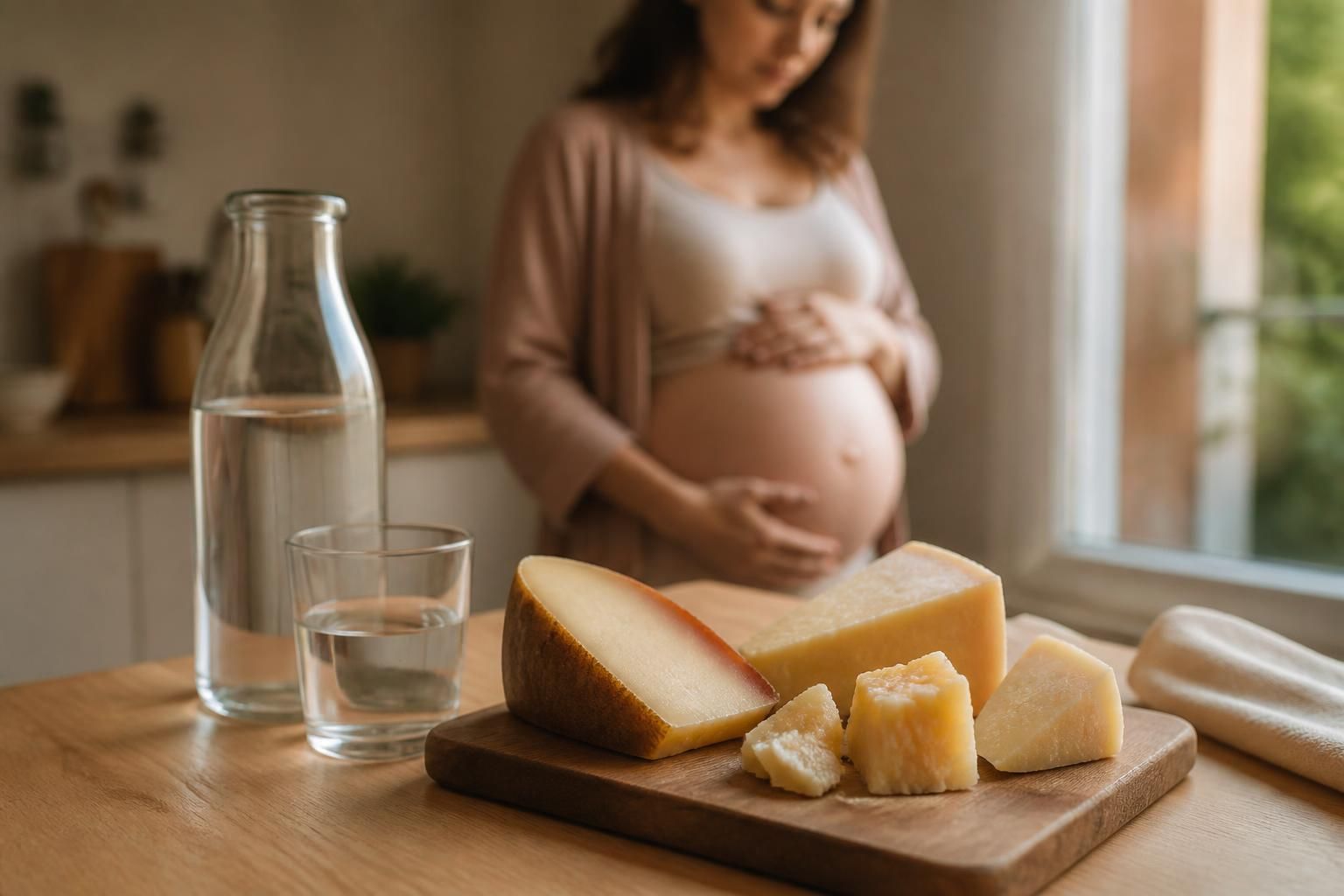
Pregnancy invites a gentle and careful reconsideration of one’s plate. Faced with the temptation of hard cheeses, often delicious and reassuring, a recurring question arises: are these aged treasures risk-free for the mother and baby? These cheeses, like parmesan or comté, are often permitted due to their low water content and aging, which limit the proliferation of dangerous bacteria. However, vigilance remains essential to avoid infections such as listeriosis or toxoplasmosis, feared during nine months of pregnancy. An enriched overview to eat serenely while fully enjoying the flavors.
The article in brief
Hard cheeses provide flavor and nutrients with minimal risks, but attention must be paid to their origin and preparation during pregnancy.
- Food safety with hard cheese: Hard cheeses have low risk thanks to lengthy aging and low moisture.
- Risks linked to listeria: Dangerous bacteria that can cross the placenta, rare but seriously dangerous for the fetus.
- Caution with raw milk: Prefer pasteurized milk to avoid bacterial contamination.
- Practical advice: Include these cheeses in moderation and prefer cooked recipes for more safety.
Eating hard cheese during pregnancy is possible, provided one is well informed and attentive to essential sanitary precautions.
Understanding hard cheeses to better choose during pregnancy
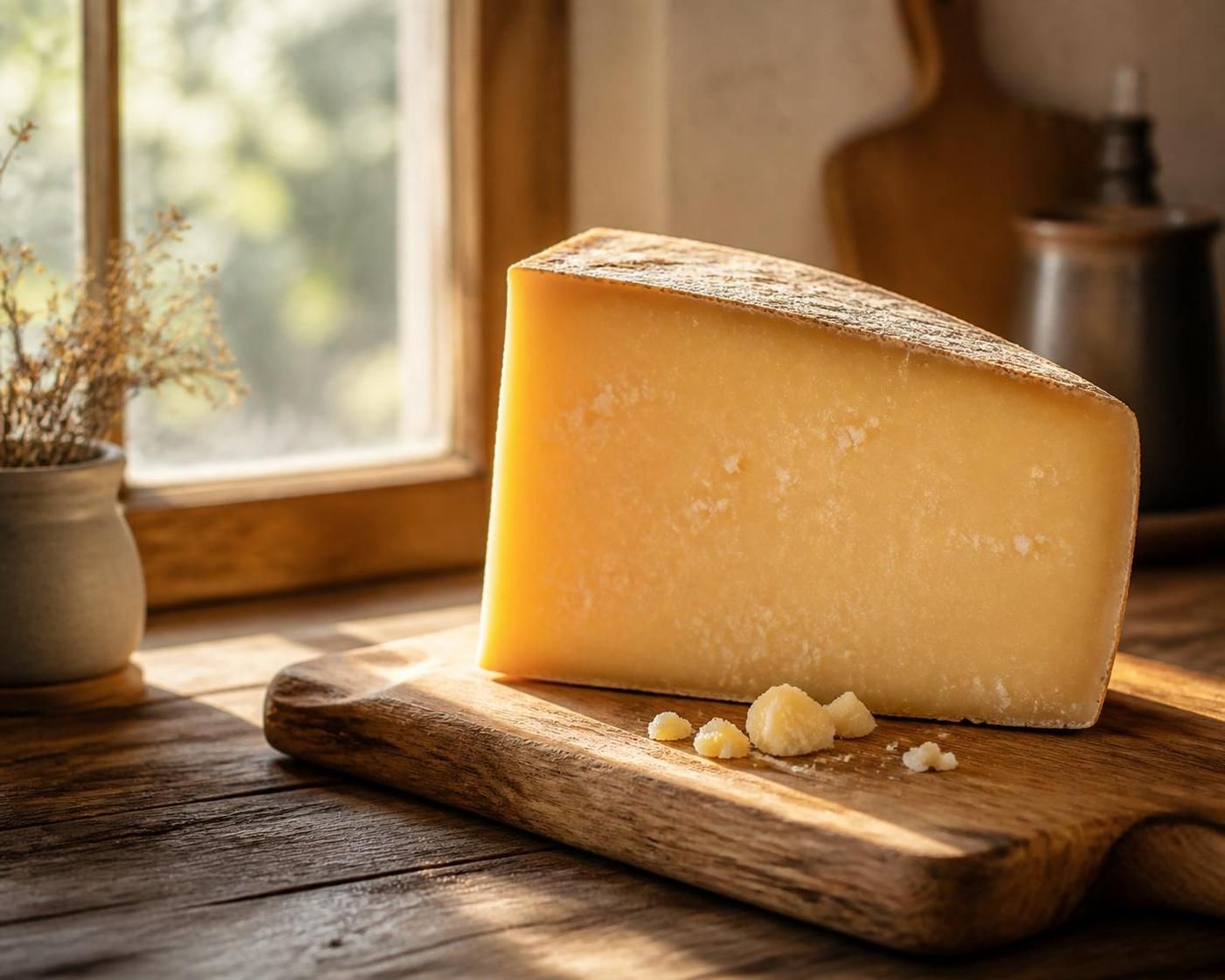
Hard cheeses stand out by their long aging period, which gives them a firm texture and concentrated taste. Among the must-haves on our platters are parmesan, comté, and gruyère. Their production with low moisture creates an inhospitable environment for listeria, which significantly reduces infection risks for the mother and baby. This specificity allows considering their consumption under some precautions, notably regarding the choice of milk and how they are eaten.
What are the main risks linked to cheese consumption during pregnancy?
Two feared enemies lurk in some poorly managed cheeses: listeriosis and toxoplasmosis. The first, caused by the bacterium Listeria monocytogenes, can lead to severe complications such as serious infections of the fetus, premature births, or spontaneous abortion. Even if cases remain rare in France, caution remains the best ally of expectant mothers.
Toxoplasmosis, for its part, is caused by a parasite present in some soft cheeses made from raw milk, in raw or undercooked meat, and even in some contaminated soils. While it does not present a direct danger to an immunized mother, its transmission to the baby can cause complications. Hence the importance of distinguishing risky cheeses from safe ones.
Hard cheese and pregnancy: what is allowed
The good news is that hard cheeses are generally considered safe during pregnancy, even those made from raw milk. The long aging, coupled with their low water content, almost prevents the survival of listeria. Moreover, cheeses cooked at high temperature in dishes like raclette or pizza are also safe, as heating eliminates potential microbes – provided the cheese is thoroughly hot.
Here is a non-exhaustive list of these appreciated and reassuring cheeses:
- Comté
- Gruyère
- Emmental
- Parmesan
- Beaufort
- Abondance
- Cheddar
- Manchego
How to integrate hard cheese into a safe and tasty diet?
To enjoy these cheeses during pregnancy without deprivation, the key lies in moderation, product choice, and preparation. Favor cheeses made from pasteurized milk and systematically check labels. When possible, opt for recipes where the cheese is melted or cooked through to maximize food safety. Think, for example, of a pumpkin and parmesan risotto, a comforting dish rich in calcium and very simple to prepare. For more ideas, see our recipes adapted for pregnant women and children on this page.
Easy recipe: Pumpkin and parmesan risotto
| Ingredients | Quantities |
|---|---|
| Pumpkin cut into cubes | 300 g |
| Onion finely chopped | 1 |
| Garlic crushed | 1 clove |
| Arborio rice | 200 g |
| Hot vegetable broth | 1 liter |
| Grated parmesan | 75 g |
| Flat-leaf parsley chopped (optional) | 1 handful |
| Salt & pepper | To taste |
Sauté onion and garlic in a drizzle of olive oil. Add the pumpkin, then the rice, stirring to coat well. Add the hot broth, ladle by ladle, until the rice is tender. Finish with grated parmesan, and a pinch of salt and pepper before serving.
Cheese in postpartum diet and breastfeeding
Beyond pregnancy, the nutritional benefits of cheese, especially hard cheeses rich in calcium and proteins, continue their role during breastfeeding. They contribute to better muscle recovery and maintenance of mom’s bone health, while nourishing baby through breast milk. Moderation remains key, and it is important to ensure product quality even after delivery.
To deepen the dietary balance for the maternity period, this video offers a step-by-step indulgent and adapted dish.
A nutrition expert precisely explains the safety criteria for consuming aged cheeses without risk during pregnancy.
Frequently asked questions about hard cheese and pregnancy
Can you eat parmesan during pregnancy?
Yes, parmesan is a hard cheese and generally safe during pregnancy, especially if made from pasteurized milk. It should be consumed in moderation and preferably integrated into cooked dishes.
Which hard cheeses should be absolutely avoided while waiting for baby?
In general, unaged soft or blue cheeses, particularly those made from unpasteurized raw milk, should be avoided. Hard cheeses are outside this risk, provided they are properly selected.
Are raw milk cheeses always dangerous?
Even if some raw milk hard cheeses are permitted, the risk of contamination is higher. It is recommended to avoid raw milk soft cheeses and always favor those labeled ‘pasteurized milk’.
What is the difference between hard and soft cheese for pregnancy?
Soft cheeses, often with bloomy rinds, retain more moisture, which facilitates the survival of bacteria. Hard cheeses are aged longer with low moisture, limiting microbe development.
Is hard cheese good for breastfeeding?
Absolutely, these cheeses provide calcium and proteins essential for mom during breastfeeding. However, they should remain part of a balanced intake to ensure food safety.