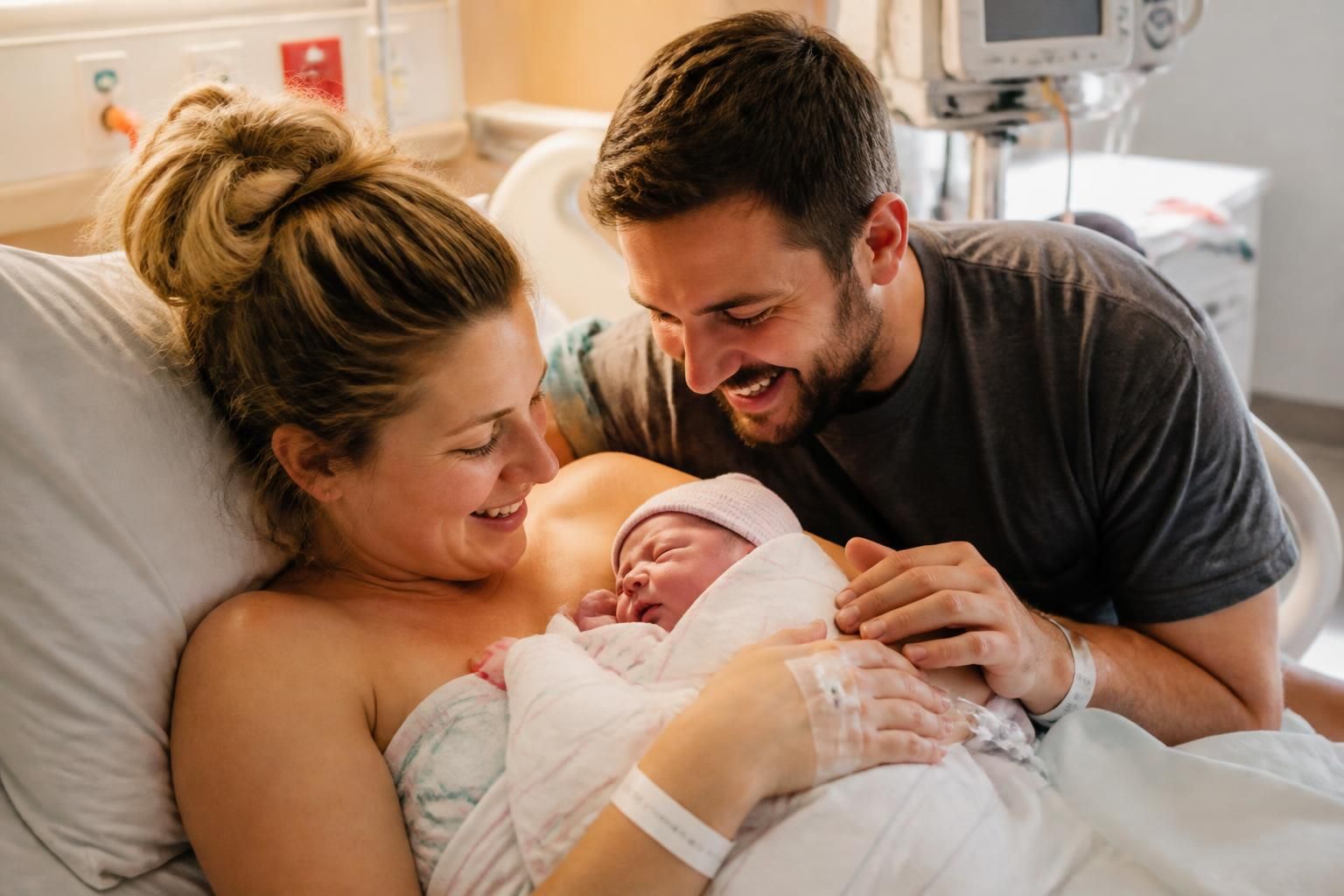
The day a child comes into the world is forever etched in the memory of parents as a suspended moment, a significant event that transcends time. This precise moment, often called D-Day, carries intense emotion mixed with joy, surprise, and sometimes relief, giving birth to memories that accompany a whole life. But why does this date become such a strong reference, a symbolic milestone inscribed in family history? Between psychology, rituals, and symbols, this article explores the deep reasons that make birth an unforgettable memory, and how this fragment of life transforms into a personal and collective legacy.
The article in brief
A sensitive look at the emotional power of D-Day and its lasting repercussions in parents’ memory.
- The unique moment etched: Why birth marks an indelible emotional memory.
- The role of personalized objects: How engraved gifts strengthen the family bond.
- Materials and craftsmanship: Sustainable wood as an ally of the longevity of memories.
- Generational transmission: Birth as a link in a living family memory chain.
A tender insight to understand why this day, between vulnerability and wonder, remains forever inscribed in the hearts of parents.
What makes D-Day so unforgettable for parents?
The precise moment of birth holds an emotional intensity rarely equaled: the arrival of a newborn disrupts daily life, reorganizes expectations, and awakens a primal love. It is not simply a biological fact but a stage loaded with symbols. Parents experience this day not only as an achievement but also as a whirlwind of emotions where pure joy mixes with a hint of anxiety. These feelings anchor deeply in affective memory, turning this passage into a precious memory they will recall with clarity years later.
The human brain is wired to record emotionally intense experiences with particular sharpness. When an event is accompanied by a strong emotional charge, it creates a more vivid and lasting memory. Thus, birth day becomes a pivotal date engraved in time, both in the heart and consciousness of parents.
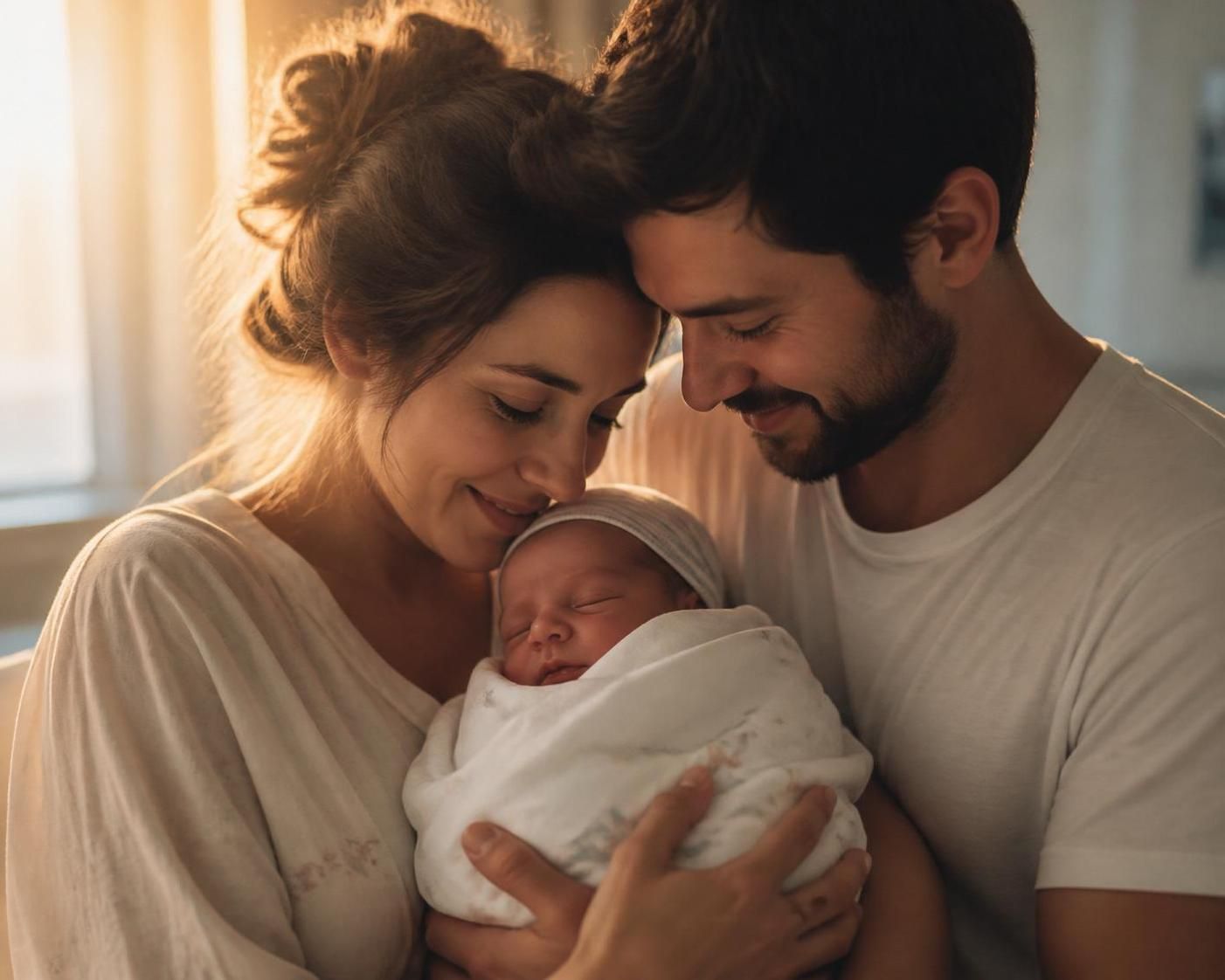
The psychological mechanisms behind attachment to the day of birth
D-Day constitutes an anchor point for family memory. Various phenomena contribute to this fixation:
- The endowment effect: birth gives the child their own identity, and the personalized first name engraved on objects connects parents to this moment.
- Embodied memory: tangible objects related to birth (brushes, music boxes, clothing) activate rich sensory memories.
- Narrative transmission: telling birth day stories builds a lasting family narrative, strengthening the bond between generations.
These elements explain why certain dates remain deeply anchored in family life, even through moves, relocations, and years.
When personalized gifts become guardians of memories
Giving a personalized birth gift, such as an engraved wooden brush or a music box bearing the name and date, is not limited to a simple symbolic gesture. It invites the creation of a tangible emotional heritage. These objects, through their noble material and unique craftsmanship, endure over time without losing their luster or meaning.
In addition to their aesthetics, these gifts play a role of sensorimotor memory: each time they are handled, they reactivate the emotional memory of D-Day. Choosing an object in solid wood, locally made by a craftsman, is choosing a gift that will enhance over time, accumulating a precious patina of use. This material durability is the key to authentic family transmission, far from ephemeral consumption.
Why is wood the preferred material for durable birth gifts?
Many parents testify to the power of wood, whose warm texture seems to hold the breath of childhood. It offers several advantages:
- Durability and harmonious aging: wood acquires a unique patina over time, conferring charm and authenticity to each object.
- Sensory feeling: its smooth grain under the hand stimulates tactile memories linked to early gestures of affection.
- Artisanal value: each piece is often engraved on-site, offering uniqueness and a story specific to each family.
Wood is thus not a simple material but a true vector of memory and emotional connection over time.
Birth, a landmark event at the heart of genealogical memory
Beyond immediate emotions, birth inscribes the family in a temporal continuity. D-Day becomes a landmark in genealogical memory, a date that reactivates the past and nourishes the family narrative.
Personalized gifts play a central role here, often passed down as precious inheritances. A brush carried by a child can thus become the silent witness of a family story, crossing generations, strengthening the sense of belonging, and paying tribute to motherhood and parenthood.
| Elements | Impact on memory | Function in the family |
|---|---|---|
| Personalized object (brush, music box) | Activates sensory and emotional memory | Transmits tangible bond between generations |
| Engraved first name and date | Anchor the event in time and identity | Strengthen biographical continuity |
| Noble material (wood) | Enhanced by time, symbol of durability | Values craftsmanship and authenticity |
Between intact memories and family transmission
The strength of D-Day also lies in how it is told and shared. The family gradually builds a founding narrative, where the wonder of motherhood is accompanied by acknowledgment of sometimes difficult moments. The memories thus passed to the younger ones offer a foundation for identification and a reassuring framework, anchoring the child in a story where they are awaited and loved from the very first moments.
The emotions captured in these testimonies reveal all the richness of parental experience that gives D-Day its unique place in the family collective memory.
Creating a lasting memory around birth
Birth is also celebrated through rituals that give meaning to this moment, making it even more remarkable. Giving a personalized gift at an event such as a baptism, a first party, or simply the first Christmas, reinforces the importance of the moment.
A simple gesture, accompanied by a story, a letter, or a photo, creates a ritual that consolidates the memory anchor. The engraved wood thus lovingly cared for bears witness to ongoing attention that lasts well beyond the day after D-Day.
- Choose a gift that tells a unique family story.
- Photograph moments of use to illustrate growth.
- Create small ceremonies around the object to cement memory.
- Maintain the personalized gift so it gains beauty over time.
These simple gestures anchor the object in an emotional daily life, where birth does not remain frozen in a distant past but remains alive at the heart of family life.
Why does the birth day remain so significant for parents?
The day of birth is charged with intense emotions, activating a lasting affective memory that makes this moment a unique and precious landmark.
How does a personalized gift strengthen family bonds?
An object engraved with the first name and birth date creates a tangible connection to the event, becoming a support for sensory and affective memory in the family.
Why prioritize a material like wood for a birth gift?
Wood ages gracefully, develops an authentic patina, and offers a warm tactile experience that strengthens emotional attachment.
How to care for a personalized wooden gift to make it last?
Cleaning with a damp cloth, nourishing the wood with natural oil, and avoiding excessive sun exposure ensures its longevity and shine.
How to transmit the memory of birth to future generations?
By integrating personalized objects into family stories and creating rituals around them, a lasting and living emotional heritage is built.