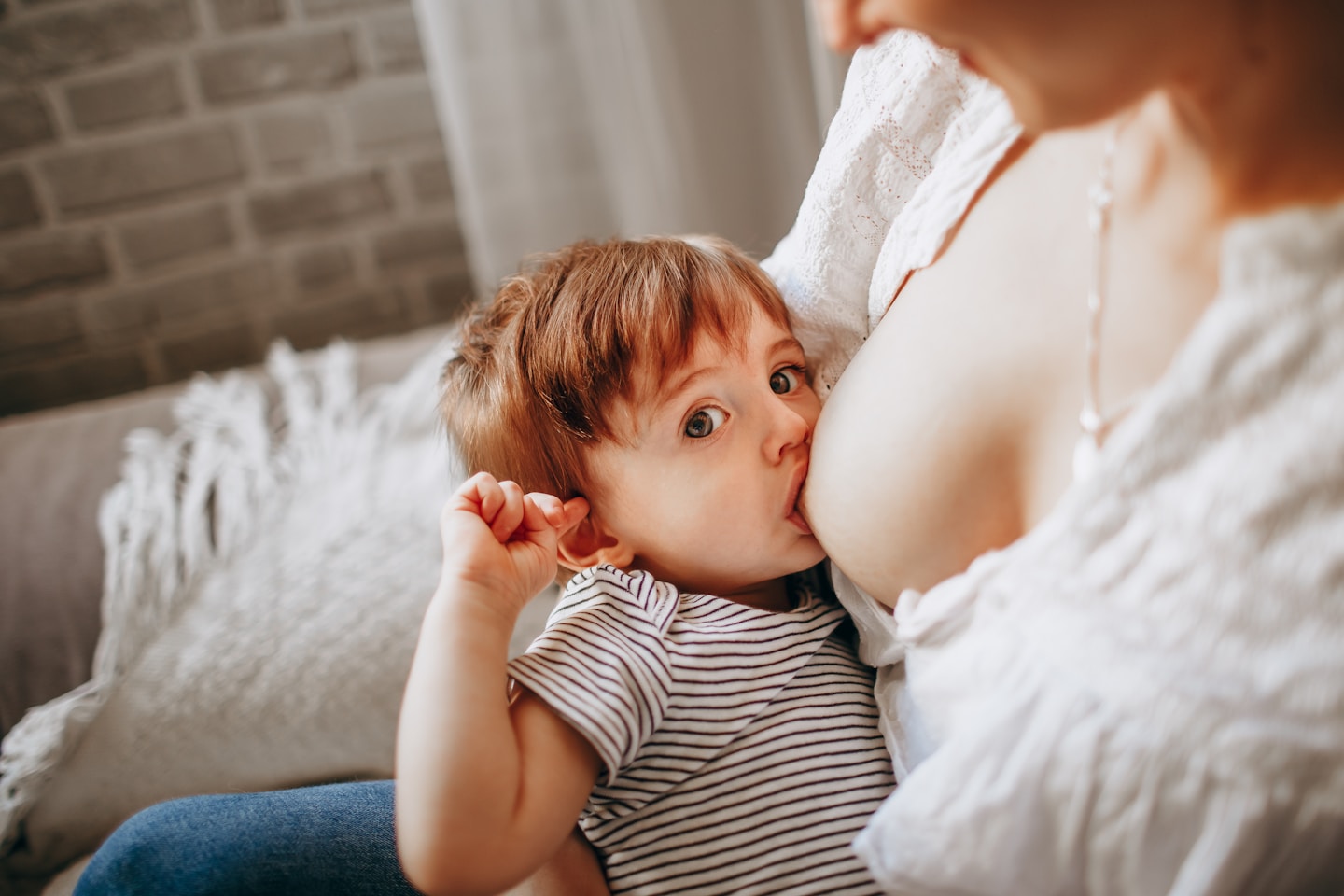
The postpartum bleeding, that physiological moment when the body resumes its menstrual cycle after birth, is often a stage surrounded by mysteries, especially when breastfeeding. For mothers who breastfeed their baby, this period can manifest differently, blending subtle signs and surprising hormonal fluctuations. Understanding how to recognize the first signs of postpartum bleeding during breastfeeding helps not only to anticipate changes in the menstrual cycle but also to better manage this delicate postpartum phase, between fatigue and body renewal.
The article in brief
Essential insights to spot postpartum bleeding during breastfeeding and welcome this new rhythm with serenity.
- Early signs not to miss: Recognizing the first bleeding and cramps specific to breastfeeding
- Impact of breastfeeding: How oxytocin influences the duration and intensity of bleeding
- Practical advice: Hygiene, nutrition, and rest to support this postpartum transition
- When to consult: Warning signals that require prompt medical follow-up
Good detection of signs and tailored preparation make postpartum bleeding easier to manage while respecting breastfeeding.
Postpartum bleeding during breastfeeding: understanding the first signs
Postpartum bleeding in breastfeeding mothers does not always resemble the classic picture often imagined. The bleeding, less abundant and shorter, results from the release of oxytocin, a hormone active during feedings that promotes uterine contractions. This hormone helps expel placental residues while limiting blood loss. This phenomenon can also be accompanied by more pronounced uterine cramps, a sign that the uterus is starting to regain its usual size. Therefore, irregular or light bleeding is often observed, sometimes confused with late lochia, especially if breastfeeding is exclusive and frequent.
Characteristic symptoms to watch for
To identify postpartum bleeding while breastfeeding correctly, a few signs frequently recur:
- Light to moderate bleeding, duration often reduced by regular oxytocin stimulation
- Cramps or pains resembling painful periods in the lower abdomen
- Mood swings intensified by hormonal changes
- Intense fatigue sometimes accompanied by night sweats
These symptoms reflect a natural hormonal change, including ovulation and the resumption of the menstrual cycle.
How breastfeeding modifies postpartum bleeding and fertility
Contrary to a widespread idea, breastfeeding is not a foolproof contraceptive method. The regular stimulation of feedings certainly leads to increased production of oxytocin and prolactin, hormones that often slow the resumption of the menstrual cycle. However, this protection varies according to the frequency of feedings and individual characteristics, which means that fertility can reappear even in the presence of irregular bleeding. It is therefore recommended to learn about contraception during breastfeeding to choose the method best suited to one’s situation.
Factors influencing the dynamics of postpartum bleeding
Several elements influence the duration and intensity of postpartum bleeding:
- Frequency of feedings: Reduced breastfeeding can accelerate the return of periods
- Stress and sleep quality: They play a role in cycle regularity
- Number of previous pregnancies: The more numerous, the longer this phase may last
- Mode of delivery (natural or cesarean): Can impact the process
Each woman thus goes through this stage uniquely, making close monitoring essential to avoid unnecessary worries.
Practical advice to support postpartum bleeding during breastfeeding
This complex period deserves full attention to the body, combining gentleness, hygiene, and rest. Here are some tips to get through this stage with more serenity:
- Strict intimate hygiene: Prefer suitable protections and change regularly to prevent infections, consult in case of worrying signs.
- Balanced diet, rich in iron and fiber, to fight fatigue and constipation.
- Optimal rest: Accept slowing the pace and ask for help from those around you to lighten daily tasks.
- Medical follow-up: Maintain regular contact with a health professional to monitor proper progress.
Additionally, it may be useful to consult resources on signs of mastitis during breastfeeding, a problem sometimes confused with pains related to postpartum bleeding.
Summary table of symptoms and advice
| Symptoms | Characteristics in breastfeeding mothers | Practical advice |
|---|---|---|
| Bleeding | Less abundant, variable duration, often after feeding | Use suitable protections, monitor progress |
| Uterine pain | Frequent cramps due to oxytocin | Rest, local heat, paracetamol if necessary |
| Fatigue and mood | Intense fatigue, emotional variations | Rich diet, rest, family support |
| Other signs | Night sweats, possible constipation | Hydration, fiber-rich meals, medical follow-up |
What are the first signs of postpartum bleeding during breastfeeding?
The first signs often include light to moderate bleeding, cramps in the lower abdomen, mood changes, and increased fatigue, reflecting hormonal changes linked to the return of the menstrual cycle.
Does breastfeeding definitively protect against postpartum bleeding?
No, although breastfeeding often reduces the frequency and intensity of periods, it is not a foolproof contraceptive. Fertility can return, especially when the frequency of feedings decreases.
How to relieve pain related to uterine contractions?
Pain can be eased by rest, applying local heat, gentle massages, and if necessary, analgesics like paracetamol.
When should one see a health professional?
It is important to consult if there is heavy bleeding saturating a protection in less than an hour, fever, intense abdominal pain, or signs of infection such as a bad odor in vaginal discharge.
How to support the body during postpartum bleeding?
Maintaining good intimate hygiene, adopting a balanced diet rich in iron, ensuring sufficient rest, and seeking family support facilitate this natural postpartum stage.