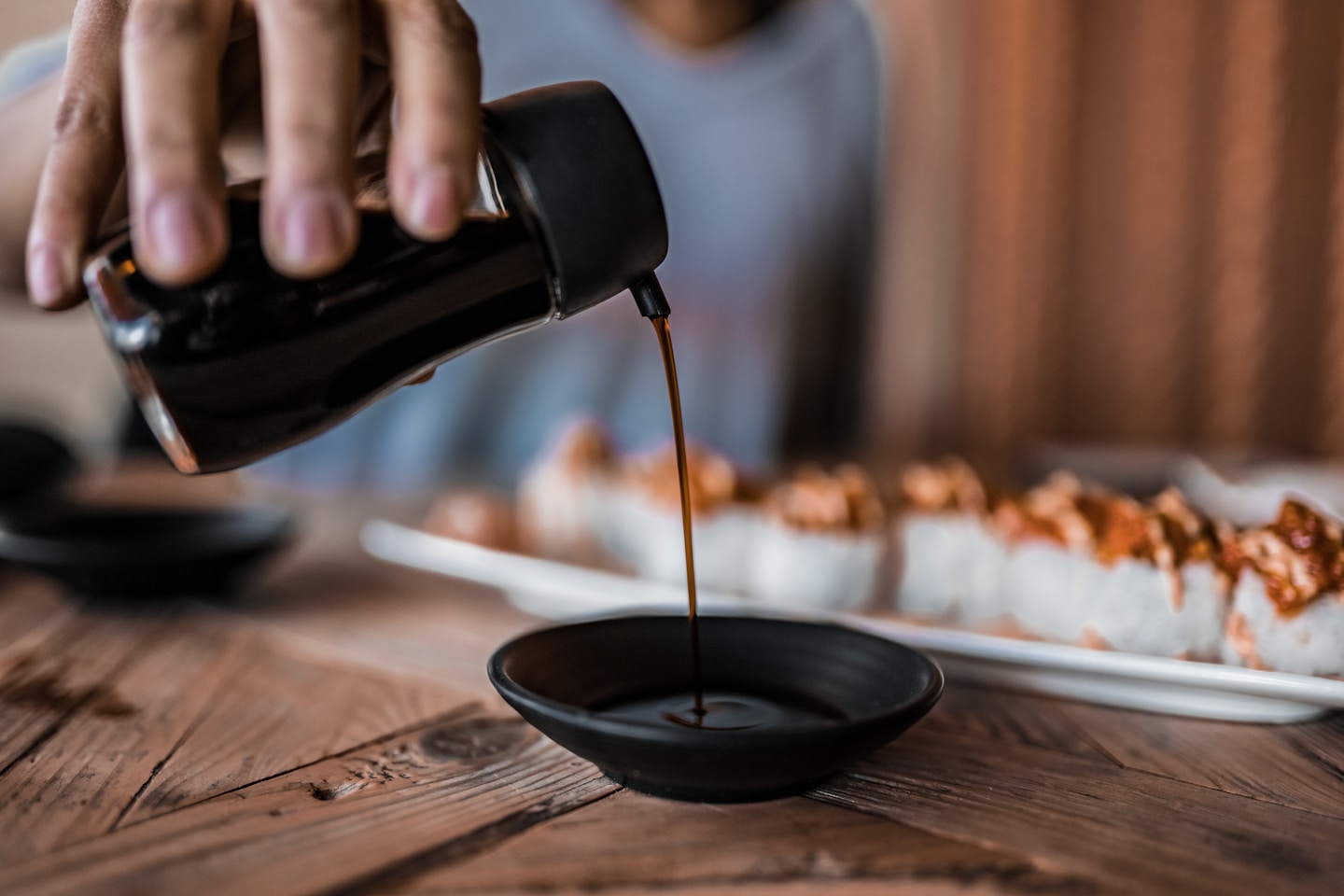
Soy sauce, a staple in many cuisines, sometimes makes its way to the table of expectant mothers. But is it safe during pregnancy? Between its nutritional benefits and precautions to take, soy sauce deserves special attention in pregnancy nutrition. Expectant parents often ask: at what point can its consumption pose risks to the baby? Focus on key factors such as sodium content, allergy risks, and impact on prenatal nutrition.
The article in brief
Soy sauce during pregnancy raises legitimate questions about the baby’s safety. Understanding its effects, choosing consumption wisely, and incorporating this condiment in moderation make all the difference.
- Moderate consumption recommended: Limit excessive sodium intake to protect the baby.
- Monitoring potential allergies: Identify allergy risks during gestation.
- Important nutritional benefits: Interesting contributions but to be balanced carefully.
- Practical pregnancy diet tips: Tips to safely consume soy sauce.
Incorporating soy sauce into a well-thought-out pregnancy diet is gently ensuring the baby’s well-being while enjoying the flavors.
Risks related to soy sauce consumption during pregnancy
At first glance, soy sauce seems harmless, a little something to enhance dishes. However, its composition requires caution. The main enemy of expectant mothers? sodium. Indeed, the culprit is often a very high level that can promote water retention and hypertension, problematic during pregnancy. Excess salt could compromise the baby’s health, for example by increasing the risk of prematurity.
Moreover, the presence of soy can raise concerns about allergies. Although rare, some sensitive pregnant women must be careful when including this condiment in their diet. Risks of poorly adapted ingredients should also be considered to avoid any complications.
Why is sodium in soy sauce a problem?
Sodium, present in significant amounts in soy sauce, is an element to closely monitor. In excess, it disrupts water balance and can lead to high blood pressure, especially discouraged in pregnant women. This situation directly affects placental circulation and, as a domino effect, the baby’s development.
Regular and uncontrolled consumption of soy sauce can thus become a risk factor for pregnancy, notably by creating an unfavorable environment for the fetus’s well-being.
Soy allergies: a subject not to neglect
Soy allergies, although rare, are a real risk in pregnancy nutrition. Some women may develop hypersensitivity or react unexpectedly. This danger manifests in symptoms ranging from simple irritations to more severe reactions, requiring increased vigilance.
It is therefore advised, especially in case of family or personal history of allergies, to consult a healthcare professional before adding soy sauce to the diet.
Nutritional contributions and best practices for including soy sauce
To avoid outright prohibition, soy sauce can hold a measured and chosen place. Rich in antioxidants and certain amino acids, it adds a welcome touch to flavor variety.
Here are some tips for wise consumption:
- Choose a soy sauce with reduced sodium content to limit hypertension-related risks.
- Prefer occasional consumption rather than daily.
- Monitor allergic reactions in case of first use during pregnancy.
- Balance your pregnancy diet with fresh foods rich in essential vitamins and minerals.
Comparison table: classic soy sauce vs low sodium soy sauce
| Characteristic | Classic soy sauce | Low sodium soy sauce |
|---|---|---|
| Sodium content | About 800 to 950 mg/15 ml | About 400 to 500 mg/15 ml |
| Flavor | Saltier, intense | Less salty, subtle |
| Suitable for pregnancy | Limited consumption recommended | Safer consumption but in moderation |
Prenatal nutrition: integrating soy sauce with caution
Overall, prenatal nutrition requires a balanced and thoughtful approach. Soy sauce can fit into this dynamic, but only respecting doses and frequency. It is more a matter of dosage than formal prohibition.
Equipping your basket with varied and suitable ingredients, following wise advice like those shared here, helps provide the baby with harmonious growth while preserving the desire for indulgence.
Additional resources for healthy eating during pregnancy
To delve deeper into this delicate question, exploring other angles such as risks related to crème fraîche during pregnancy can also be helpful. Valuable and practical information guides moms toward a serene and controlled diet. Explore tips on crème fraîche.
And for curious expectant mothers looking for happy stories, good news to discover around a joyful event always inspires: a nice positive surprise.
Is soy sauce during pregnancy completely to be avoided?
No, it is not strictly forbidden, but its consumption must be moderated mainly due to its high sodium content.
What are the symptoms of a soy allergy during pregnancy?
They can include itching, skin rashes, digestive issues, or more rarely severe reactions requiring medical advice.
What amount of soy sauce is reasonable per week during pregnancy?
One to two tablespoons per week, preferably low sodium, is generally considered reasonable.
How to choose a soy sauce suitable for pregnancy?
Opt for a low sodium and organic version when possible, while avoiding industrial sauces with questionable additives.
Can soy sauce interact with other foods or medications?
It can increase blood pressure if consumed excessively, so it is advisable to discuss with your doctor if on specific treatments.