

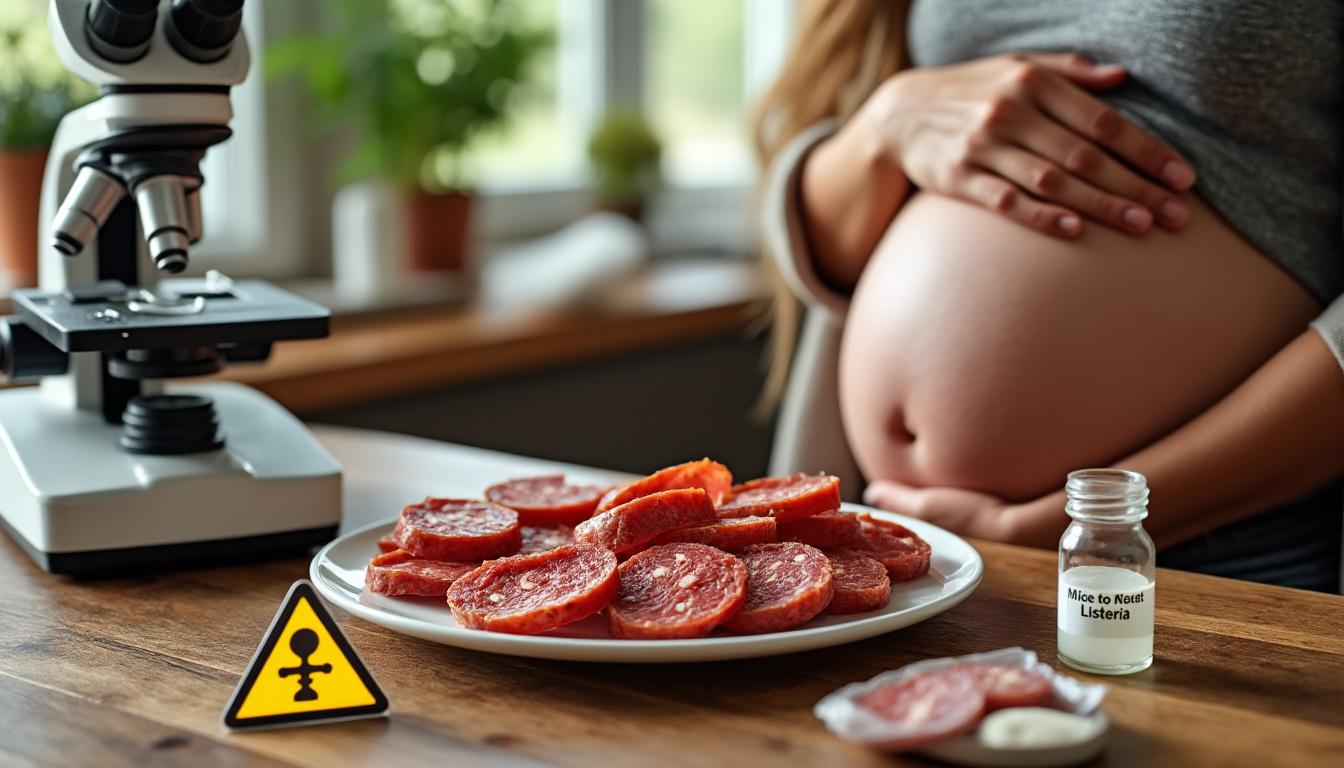
At the heart of pregnancy, every flavor carries the echo of a new vigilance. Chorizo, with its spicy aroma evoking the sunny markets of the South, sometimes slips into sudden cravings. Yet behind this apparent indulgence lie essential food risks to be aware of. Listeriosis, toxoplasmosis, dangers of raw cured meats: all words that call for delicate caution, blending pleasure and safety in this gentle fight for baby’s health.
The article in brief
Consuming chorizo during pregnancy raises many food safety questions, balancing infection risks and necessary precautions.
- Main risks of raw chorizo: listeriosis and toxoplasmosis, dangers for the fetus
- Strict cooking recommended: at least 70°C at the core to eliminate germs
- Distinguish types of chorizo: pasteurized, fresh, dry, to avoid foodborne infections
- Safe alternatives and recipes: cooked chorizo, cooked cold cuts, plant-based options
An informed approach transforms chorizo into controlled pleasure, between gourmet love and protective care.
Chorizo and pregnancy: understanding essential food risks
During an aperitif or a gourmet break, chorizo can charm the taste buds. But for a pregnant woman, this spicy charm may conceal a worrying shadow. Listeriosis, a sneaky infection caused by Listeria monocytogenes, particularly affects raw cured meats, even refrigerated ones. Although symptoms are often subtle in the mother, the fetus faces great dangers, with risks of miscarriage, premature birth, or severe infections.
Adding to this threat is toxoplasmosis, a sly parasite present in undercooked meats, dry or improperly prepared fresh chorizo. Its effects, sometimes irreversible, impact the brain, eyes, and overall development of baby. To this are added bacteria such as Salmonella or Escherichia coli, responsible for foodborne intoxications, which can disrupt pregnancy with severe digestive disorders.
Table of chorizo pathogens and their effects on pregnancy
| Pathogen | Effects on pregnancy | Main source in chorizo |
|---|---|---|
| Listeria monocytogenes | Miscarriage, prematurity, severe neonatal infection | Raw or insufficiently cooked chorizo |
| Toxoplasma gondii | Malformations, neurological disorders, growth delays | Uncooked meat, dry or improperly prepared fresh chorizo |
| Salmonella, E. coli | Food poisoning, diarrhea, vomiting | Cold cuts contaminated by poor hygiene or cold chain breaks |
Pregnant with chorizo: cooking, the key to prevention during pregnancy
If raw chorizo is frightening, well-cooked chorizo opens the door to guilt-free indulgence. Cooking at the core to at least 70°C maintained for 2 minutes represents an insurmountable barrier for bacteria and parasites. Classic methods — pan on high heat, oven at controlled temperature, slow-cooked dishes — then become safety rituals.
A culinary thermometer, a precious ally, ensures perfect internal temperature control. Conversely, microwave cooking, often uneven, should be avoided. Vigilance extends from product choice to how it is cooked; no shortcuts should be taken, so that spicy pleasures and serenity go hand in hand.
Guide to safe cooking times and methods for chorizo
| Cooking method | Temperature | Approximate duration | Advantages |
|---|---|---|---|
| Pan | Medium-high heat | 3-5 min per side | Quick cooking, control of browning |
| Oven | 180-200°C | 10-15 min depending on thickness | Even cooking, practical for thick pieces |
| Simmered (paella, stews) | Prolonged temperature | 10-20 min | Slow cooking, optimal pathogen destruction |
Different types of chorizo: a crucial choice for food safety
Choosing a chorizo suitable for pregnancy first requires knowing the nuances of the product. Pasteurized chorizo benefits from an industrial thermal treatment, guaranteeing the elimination of bacteria. It can be consumed cold or reheated without fear, provided the cold chain has been respected.
Fresh chorizo resembles raw meat that demands scrupulous cooking to cross the safety line. As for dry or raw chorizo, it forms the red zone that must be strictly avoided throughout pregnancy, regardless of its appearance.
Comparison of chorizo types during pregnancy
| Type of chorizo | Treatment | Recommended consumption during pregnancy | Key precautions |
|---|---|---|---|
| Pasteurized chorizo | Industrial thermal treatment | Yes, no mandatory cooking | Respect cold chain, check label |
| Fresh chorizo | Raw, non-pasteurized product | Yes, mandatory cooking at 70°C at core | Quality control, rigorous cooking, rapid consumption |
| Dry or raw chorizo | Drying, smoking | Forbidden during pregnancy | Strictly avoid |
Nutrition value of cooked chorizo: a useful contribution during pregnancy
Beyond its spices and strong character, well-cooked chorizo offers a good nutritional contribution. Rich in protein (12 to 15 g per 50 g serving), it supports fetal cellular growth and maternal health. Its vitamin B12 content promotes neurological development, while its easily absorbed iron helps counter pregnancy anemia, so frequent in this period.
However, its richness in saturated fats and salt requires moderate consumption (2 to 3 servings per week), especially since chorizo spices can exacerbate heartburn, commonly encountered during pregnancy.
Safe recipes and tasty alternatives for pregnant women
For those who want to combine safety and pleasure, several cooked chorizo-based preparations fit perfectly with a calm pregnancy: slow-cooked paella where chorizo releases its aroma at controlled temperature, pizza with well-grilled chorizo, or even scrambled eggs incorporating cooked chorizo cubes for an energizing breakfast.
Plant-based alternatives, now appealing, offer a taste close to the original flavor, without sanitary threat. Plant-based chorizo brands, rich in protein, provide a gourmet and responsible answer. Finally, cooked cold cuts like cooked ham or turkey are valuable allies to diversify flavors safely.
Delicious suggestions to consume chorizo safely
- Simmered paella: prolonged cooking at core >70°C
- Toasted slices: well-browned chorizo in oven or pan
- Chorizo omelette: add pieces at the end of cooking
- Plant-based chorizo: ready-to-eat natural substitute
- Cooked cold cuts: cooked ham or turkey
Test your knowledge about chorizo during pregnancy
Can you eat raw chorizo while pregnant?
No, raw or dry chorizo is strongly discouraged during pregnancy because of the major risks of listeriosis and toxoplasmosis.
What temperature must cooked chorizo reach to be safe?
Cooking must reach 70°C at the core maintained at least 2 minutes to guarantee elimination of pathogens.
Is pasteurized chorizo safe during pregnancy?
Yes, thermal treatment eliminates bacteria, allowing consumption without additional cooking.
What are the risks of listeriosis for the baby?
Listeriosis can cause miscarriages, premature births, or severe infections in the newborn.
Are there alternatives to traditional chorizo?
Yes, plant-based chorizos and cooked cold cuts like cooked ham offer safe and tasty options.


