

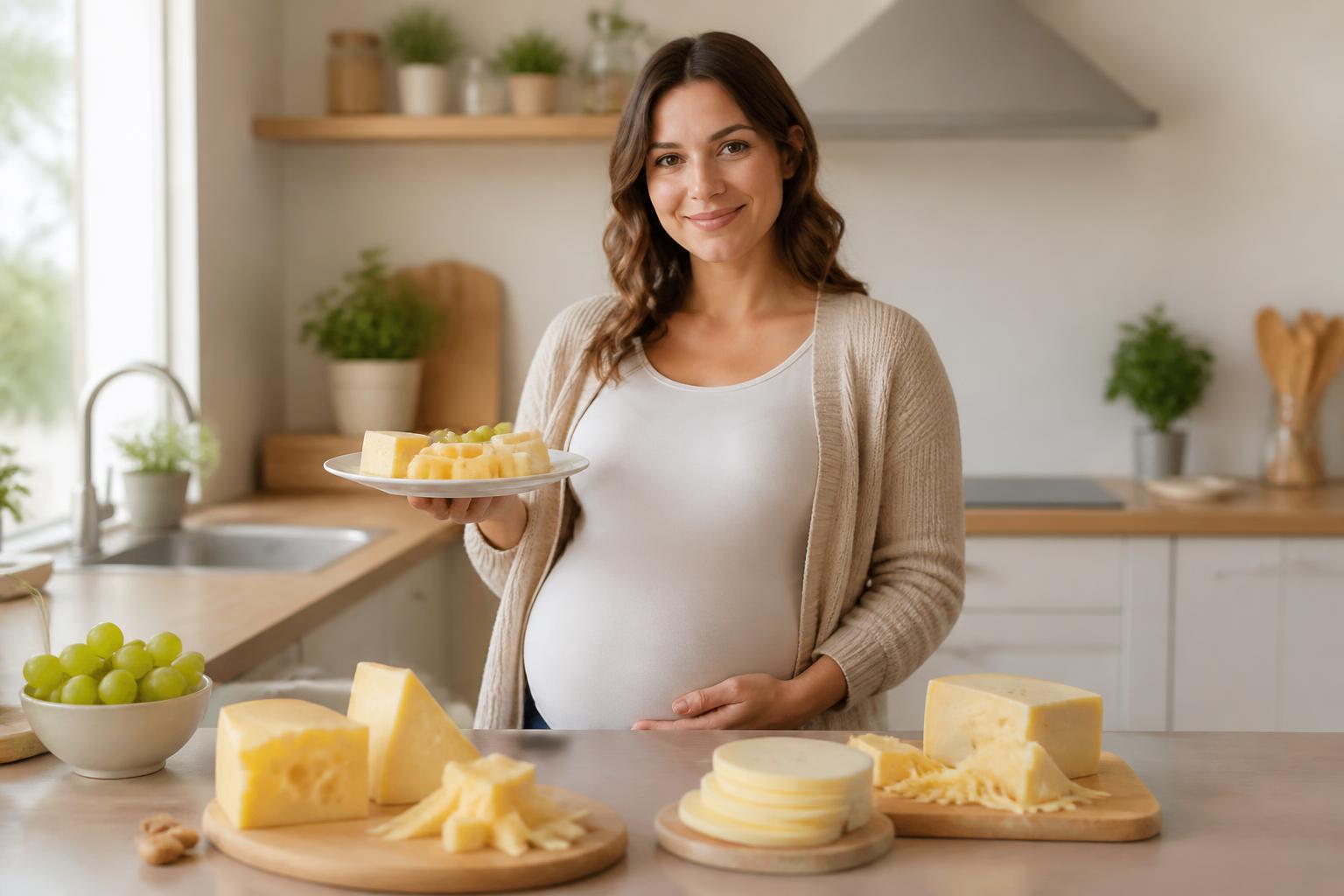
Pregnancy is a period when nutrition takes a crucial place. While cheese is often a source of pleasure, it also raises questions regarding its safe consumption. Between the potential risks of listeriosis and the allowed cheeses, it is essential to clearly understand how to combine pleasure and caution. This overview of cheeses suitable for pregnant women allows fully enjoying their benefits without fearing the dangers of a foodborne infection.
The article in brief
A comprehensive guide to savoring cheese safely during pregnancy, avoiding the pitfalls of food risks.
- Cheeses to favor : Hard cheeses and pasteurized cheeses without health risks
- Key food risks : Listeriosis and salmonellosis to monitor for fetal well-being
- Cheeses to avoid : Soft cheeses made from raw milk and cheeses with bloomy or washed rind
- Practical advice : Check labels and prefer pre-packaged portions
Eating cheese while pregnant is possible, provided you choose carefully to combine taste and food hygiene.
Which cheeses for pregnant women: list of safe cheeses during pregnancy
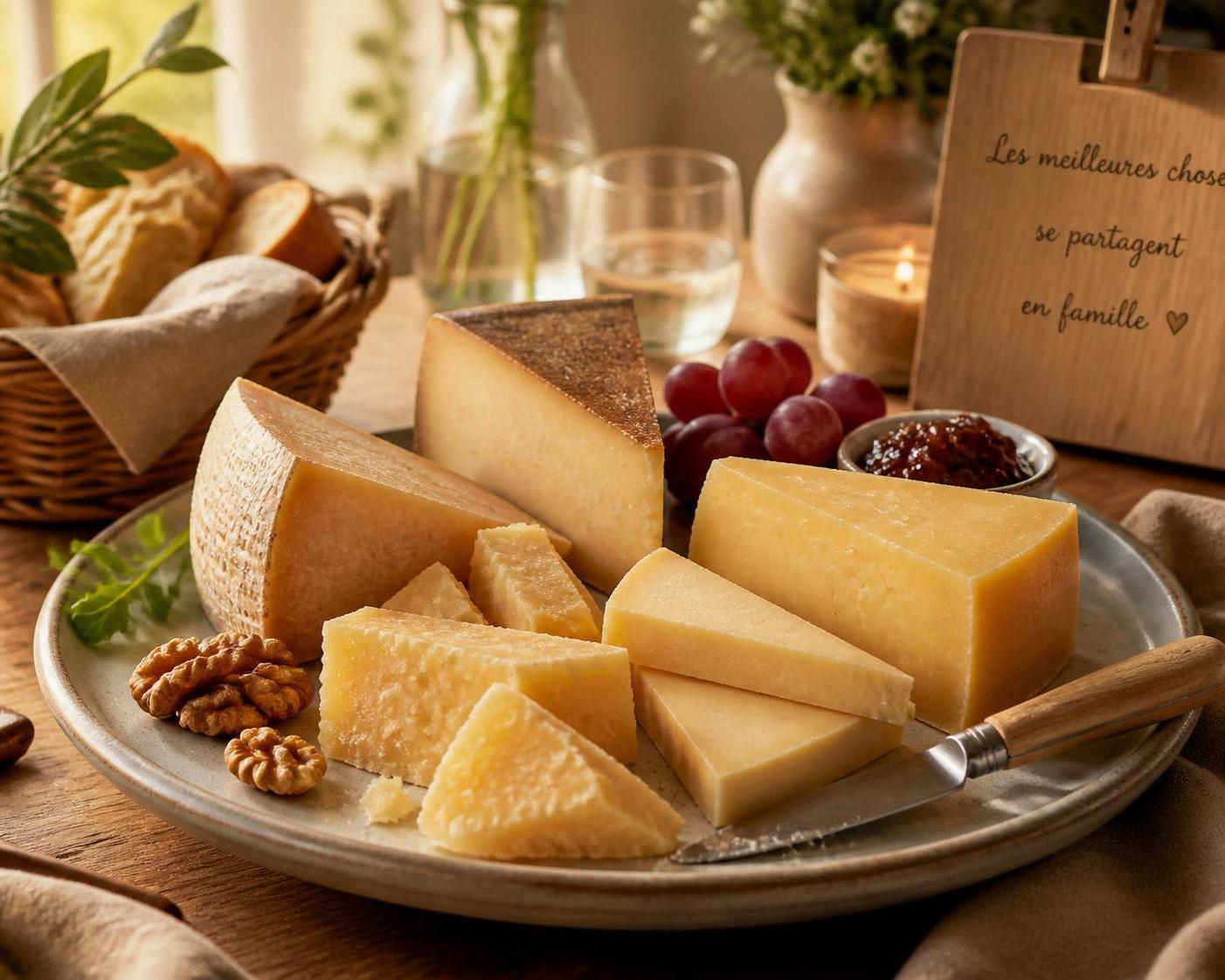
A great relief for all those who dream of indulgent cheese without compromise: the majority of commonly consumed cheeses are compatible with pregnancy. Hard or cooked pressed cheeses such as comté, beaufort, gruyère, emmental, or parmesan stand out due to their high-temperature cooking, thus eliminating all traces of bacteria like listeria. Their storage in a dry environment also reduces risks. Unforgettable is the memory of a family meal where a generous platter of comté was enjoyed without worry, combining pleasure and safety.
Cheeses made with pasteurized milk are also safe. Always turn the packaging to check for the mention “pasteurized milk,” an essential step to preserve pregnancy nutrition while minimizing risks. Mozzarella, burrata, mascarpone, ricotta, or feta made from pasteurized milk thus join the list of cheeses to adopt, perfect for varying the pleasures.
Forbidden cheeses for pregnant women: clear list of cheeses to avoid
The watchword is vigilance: the consumption of certain cheeses during pregnancy can be risky. These are mainly soft raw milk (unpasteurized) cheeses, a fertile ground for listeria. Camembert, brie, Chaource, and even the famous munster must be avoided, even if they are particularly tempting. This was one of the first rules learned at the time of pregnancy: to put aside these little delights of the French table, with a heavy heart but a smile on the lips, because it is only temporary.
Cheeses with a bloomy rind or washed rind (such as maroilles, pont-l’évêque, or époisses) and blue-veined cheeses (blue cheeses like roquefort, Bleu d’Auvergne) also carry high infection risks. It is sometimes better to resist a little, especially faced with these often pronounced flavors. Another important point to note: for caution, favor packaged portions rather than cheeses sold by the slice, where food hygiene can be difficult to guarantee, thus avoiding any cross-contamination.
Practical advice for enjoying cheese safely during pregnancy
The foodie that I know well confirms it to you: it is not a question of deprivation but rather adopting good hygienic and nutritional habits. Always checking that the cheese is pasteurized is the first essential step. Removing the rind, even on allowed cheeses, is a welcome additional precaution.
For those who cannot resist their winter cravings, incorporating traditionally forbidden cheeses into well-cooked dishes such as raclette, fondue, or tartiflette is clever. High-temperature cooking destroys dangerous bacteria. In summer, favoring fresh and pre-packaged cheese remains the golden rule. Also, think to wash your fruits and vegetables well to avoid other food risks related to pregnancy nutrition. To deepen these rules, discover our article on comté during pregnancy.
Table: which cheeses to favor or avoid during pregnancy
| Category | Recommended cheeses | Cheeses to avoid |
|---|---|---|
| Hard or cooked pressed | Comté, Beaufort, Emmental, Gruyère, Parmesan | – |
| Pasteurized milk, soft cheese | Mozzarella, Burrata, Ricotta, Feta, Mascarpone | Raw milk cheeses of the same kind |
| Spreadable cheeses | Kiri, Saint Morêt, Laughing Cow, Babybel | – |
| Soft cheeses with bloomy rind | – | Camembert, Brie, Chaource, Brillat-Savarin |
| Soft cheeses with washed rind | – | Maroilles, Pont-l’Évêque, Munster, Époisses |
| Blue-veined cheeses | – | Roquefort, Bleu d’Auvergne, Fourme d’Ambert |
Specific risks to know: from listeriosis to salmonellosis
Listeriosis, caused by the bacterium Listeria monocytogenes, is the main concern when talking about cheese consumption during pregnancy. Although rare, this infection can have dramatic consequences such as premature delivery or a severe neonatal infection. This bacterium preferentially develops in moist and temperate environments, which explains the attention paid to soft and raw milk cheeses.
Moreover, salmonellosis can also occur. While it does not directly affect the baby, symptoms in the mother can cause dehydration and contractions. Keep these food precautions related to charcuterie and pregnancy risks in mind, another area where vigilance is required.
Tips to combine indulgence and safety
In 2026, the big trend remains eating local and organic as much as possible. This approach also extends to the selection of cheeses for pregnant women. Always prefer cheeses whose breeding and processing respect rigorous health standards, which is a guarantee of safety.
A small detail to adopt: frequent hand washing before handling cheese and avoiding cheeses sold by the slice at open-air markets are gestures that simplify life and considerably limit infectious risks.
To deepen your knowledge about safe cheeses during pregnancy, this video offers useful and reassuring tips.
Another instructive video source to find the best cheeses to adopt safely during pregnancy.
Can you eat raw milk cheese during pregnancy?
It is recommended to avoid all raw milk cheeses as they may harbor the Listeria bacteria, responsible for listeriosis, which is particularly dangerous for the fetus.
Are hard cheeses safe during pregnancy?
Yes, hard or cooked pressed cheeses like comté or gruyère are safe because their cooking eliminates bacteria.
Should the cheese rind always be removed?
Even for pasteurized milk cheeses, it is advisable to remove the rind, as it is more exposed to bacteria.
Can forbidden cheeses be consumed in cooked dishes?
Yes, risky cheeses can be consumed if they are well cooked in dishes like raclette or fondue.
How to check if a cheese is pasteurized?
Check the packaging where the mention ‘pasteurized milk’ must appear clearly, thus ensuring food safety during pregnancy.


