

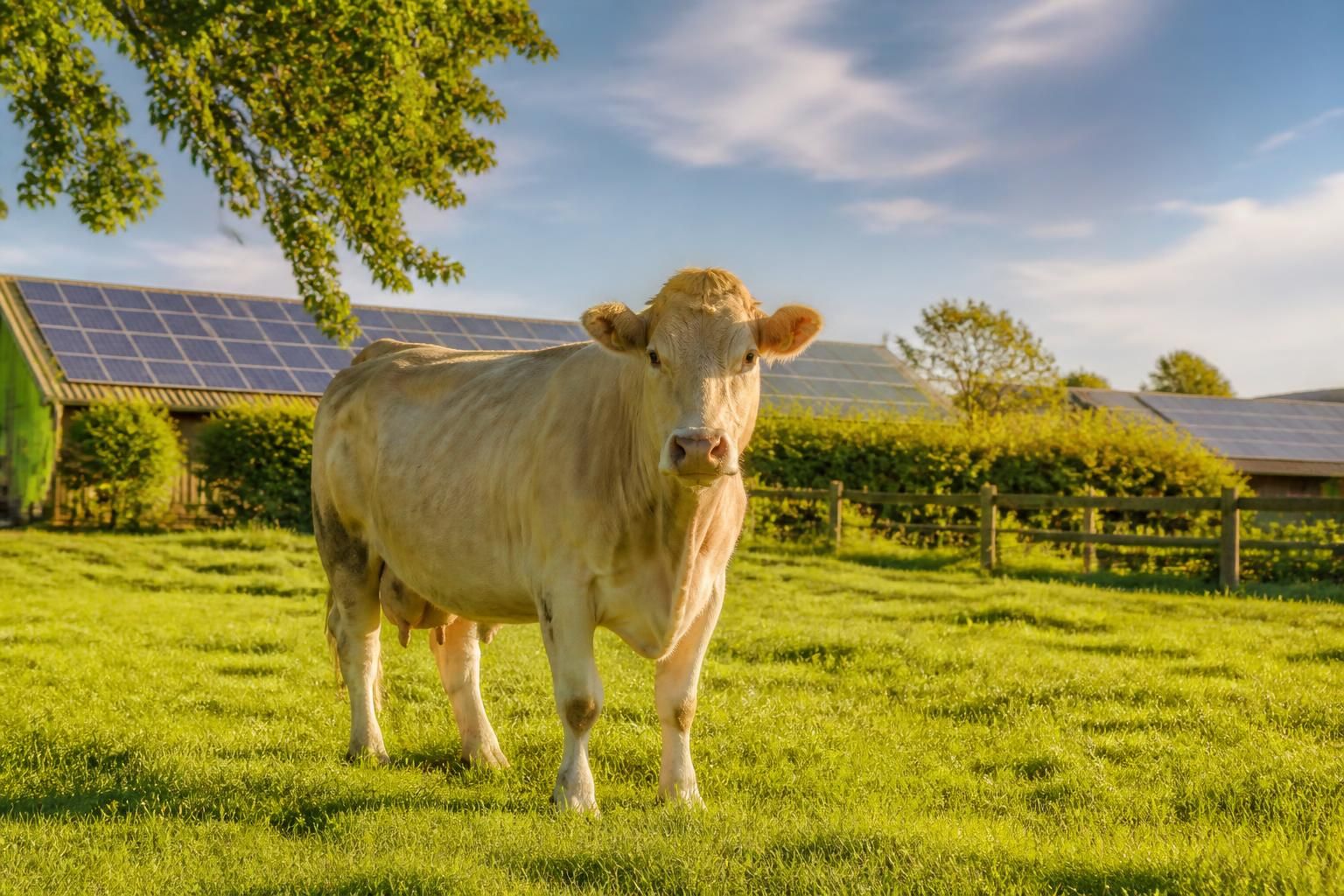
In the lush French landscapes, the suckler cow stands out far beyond its primary function: feeding its calf. It now embodies a key link in sustainable farming, balancing animal welfare, pasture health, and milk quality. This model of responsible agriculture combines respect for local biodiversity and economic efficiency, offering a precious balance in a world where environmental pressure continues to rise. It is this dual vocation, both maternal and ecological, that makes the management of suckler cows in 2026 so rich and modern.
The article in brief
A gentle and pragmatic look at the suckler cow, a pivotal element of sustainable agriculture where milk and meat combine with ecology and animal welfare.
- Guardian of the meadows: The suckler cow optimizes grazing to preserve local biodiversity.
- Kindly nursing: A mother-calf bond that stimulates health and natural growth.
- Profitable and responsible farming: Economic valorization and environmental respect harmoniously combined.
- Innovation at the service: Connected technologies for precise and sustainable herd monitoring.
The suckler cow thus reveals its strategic role for sustainable farming and milk quality respectful of the environment.
Suckler cow: an essential player in sustainable farming in France
In the French rural landscape, the suckler cow is distinguished by its specific vocation: to feed its calf until weaning before being valued for the quality of its meat. But it far exceeds this function. By maintaining regular and appropriate grazing, it preserves soil structure and supports pasture biodiversity, essential for healthy agricultural ecology. For example, in Puy-de-Dôme, farmers exploit this symbiosis to reconcile local production and rational management of natural resources.
This fine management of pastures offers a true refuge for wild fauna and flora while avoiding overconsumption of agricultural land. Thus, the suckler cow embodies a responsible agriculture model where the rhythm of nature is never disturbed. It is an actor who operates in the long term, taking care of the territory while ensuring the economic sustainability of farms.
Animal welfare: feeding the calf and its natural maternal bond
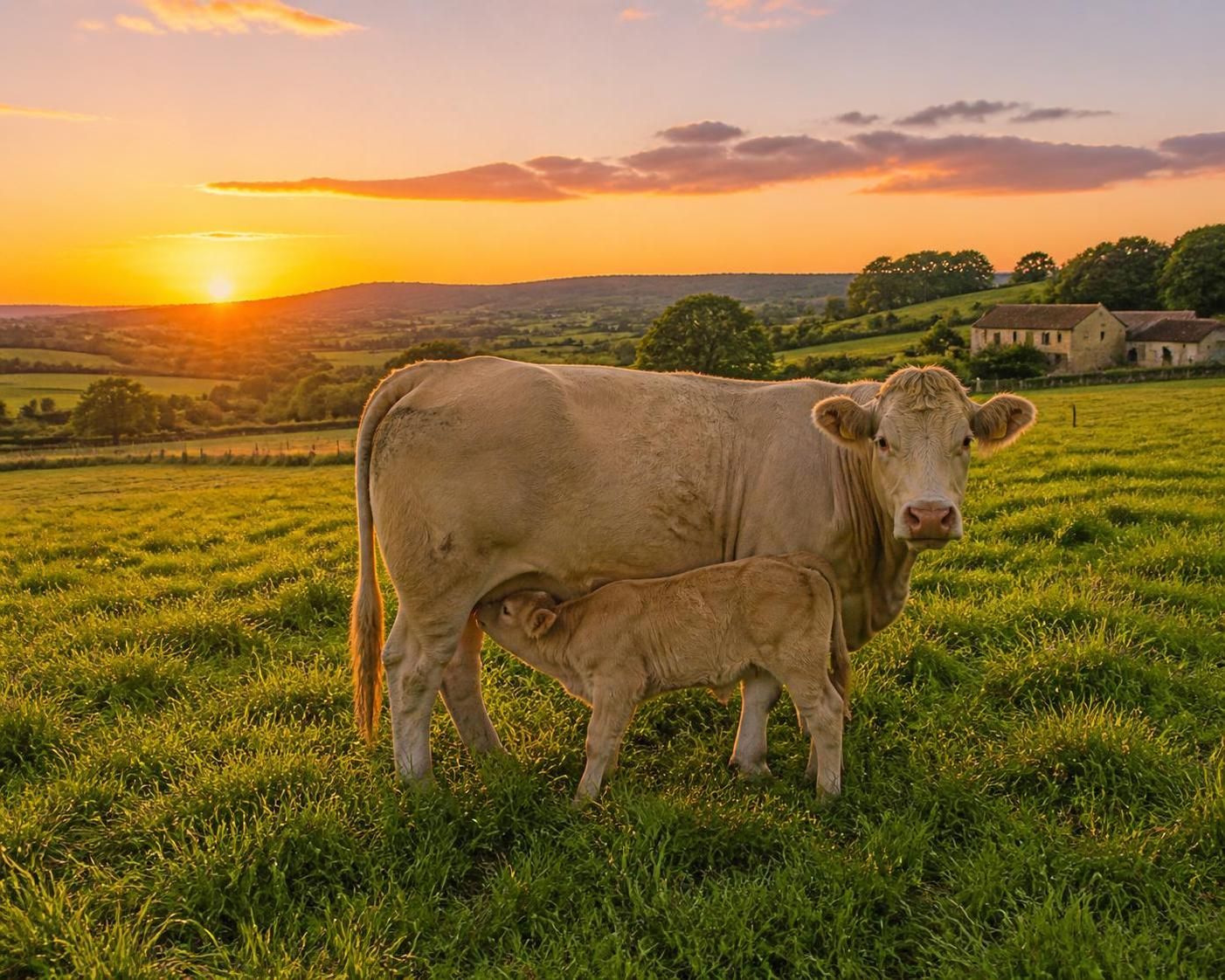
Animal welfare takes a central place in the management of suckler herds. The mother-calf relationship proves indispensable to the health and optimal growth of young cattle. The milk produced, rich in fats, provides bovine nutrition perfectly suited to the needs of calves, promoting their lasting immunity.
These respectful practices limit the need for pharmaceutical treatments. Particular attention is paid to the living environment: vast spaces, rigorous hygiene conditions, and balanced feeding contribute to reducing stress, a key factor in animal health. In 2026, the progressive integration of connected sensors in farms facilitates precise monitoring of welfare, anticipating risks and optimizing every aspect of health management.
Milk production of suckler cows: milk serving the calf and meat
Unlike dairy breeds, the milk production of suckler cows is not intended for human consumption but plays a fundamental role in the natural development of calves. The milk, both fattier and richer in proteins, supports muscle and bone growth of young cattle, favoring successful weaning.
Lactation curves evolve more slowly than in dairy cows. Generally, the peak is reached between the first and third months, a period when the calf consumes the majority of this exceptional milk. Thus, the Salers breed, for example, with an average production close to 8.3 kg/day, illustrates the balance between milk quality and nursing efficiency. This dynamic is essential to guarantee tasty and healthy meat at the end of the cycle.
French suckler breeds and their specificities in sustainable farming
The diversity of suckler breeds finely adapts to territories and ecological requirements. The robustness of the Salers in the Massif Central, the musculature of the Blonde d’Aquitaine, or the adaptability of the Limousine make them essential partners for responsible breeding. These animals combine hardiness and productivity, offering quality meat while preserving resources.
Each breed also helps maintain a biological balance between pastures and herds. This local adaptation preserves genetic wealth and promotes biodiversity, the cornerstone of organic and sustainable agriculture.
| Breed | Main breeding region | Average milk production (kg/day) | Key characteristics |
|---|---|---|---|
| Salers | Massif Central | 8.3 | Rustic, good nursing capacity, tasty meat |
| Blonde d’Aquitaine | South-West | 7.5 | Good heat resistance, strong musculature |
| Limousine | Nouvelle-Aquitaine | 6.9 | Excellent meat quality, robust |
| Charolaise | Burgundy | 7.1 | Tender meat, good growth |
Pasture management and nutrition: drivers of responsible agriculture
A diet based on diverse local forages is favored, allowing the valorization of soil richness and the quality of grasses. Pasture rotation prevents their overuse and supports sustainable growth of the plant cover.
This approach also limits excessive trampling and maintains the health of agricultural land. The careful addition of essential minerals complements nutritional needs, contributing to herd fertility and better resilience to climate hazards. These agricultural ecology practices daily illustrate what sustainable and resource-respecting farming can be, a source of authentic milk quality.
Health and economic challenges: a balance to preserve
Vigilance against diseases such as brucellosis or paratuberculosis remains a priority. Vaccination, strict hygiene, and rapid isolation are pillars of maintaining a resilient herd. Furthermore, the volatility of the meat market requires economically rigorous management.
For farmers, it involves optimizing feeding and integrating technological innovations (sensors, monitoring software) to control costs without compromising animal quality of life, thus illustrating a true commitment to sustainable production.
In this context, networking of agricultural actors – farmers, cooperatives, processors – encourages the sharing of best practices and promotes the adoption of labels guaranteeing durable meat recognized by committed consumers.
List of advantages of sustainable suckler farming
- Optimized pasture management: maintaining local biodiversity and soil quality.
- Better animal welfare: mother-calf relationship favoring natural and robust growth.
- Milk and meat quality: adapted production guaranteeing healthy and tasty products.
- Reduction of drug treatments thanks to strengthening the natural health of calves.
- Integration of technological innovations for precise monitoring and sustainable herd management.
- Local economic valorization: maintaining family farms and revitalizing rural areas.
What is a suckler cow?
A suckler cow is a heifer or cow raised to feed its calf directly until weaning before being mainly valued for its meat. Its milk production serves the calf rather than human consumption.
How does the suckler cow promote sustainable farming?
It helps preserve biodiversity through fine pasture management, limits environmental impact, while ensuring optimal welfare for the calf and a balanced environmental cycle.
What are the most common suckler breeds in France?
Among the main French breeds are Salers, Blonde d’Aquitaine, Limousine, and Charolaise, each adapted to the geographical and climatic specificities of their regions.
What are the major health challenges in suckler farming?
The fight against infectious diseases such as brucellosis and paratuberculosis requires regular surveillance, an adapted vaccination protocol, and a healthy environment for herds.
What benefits do connected technologies bring to suckler farming?
They allow precise monitoring of health, nutrition, and animal behavior, facilitating disease prevention, resource optimization, and improving daily welfare.


