

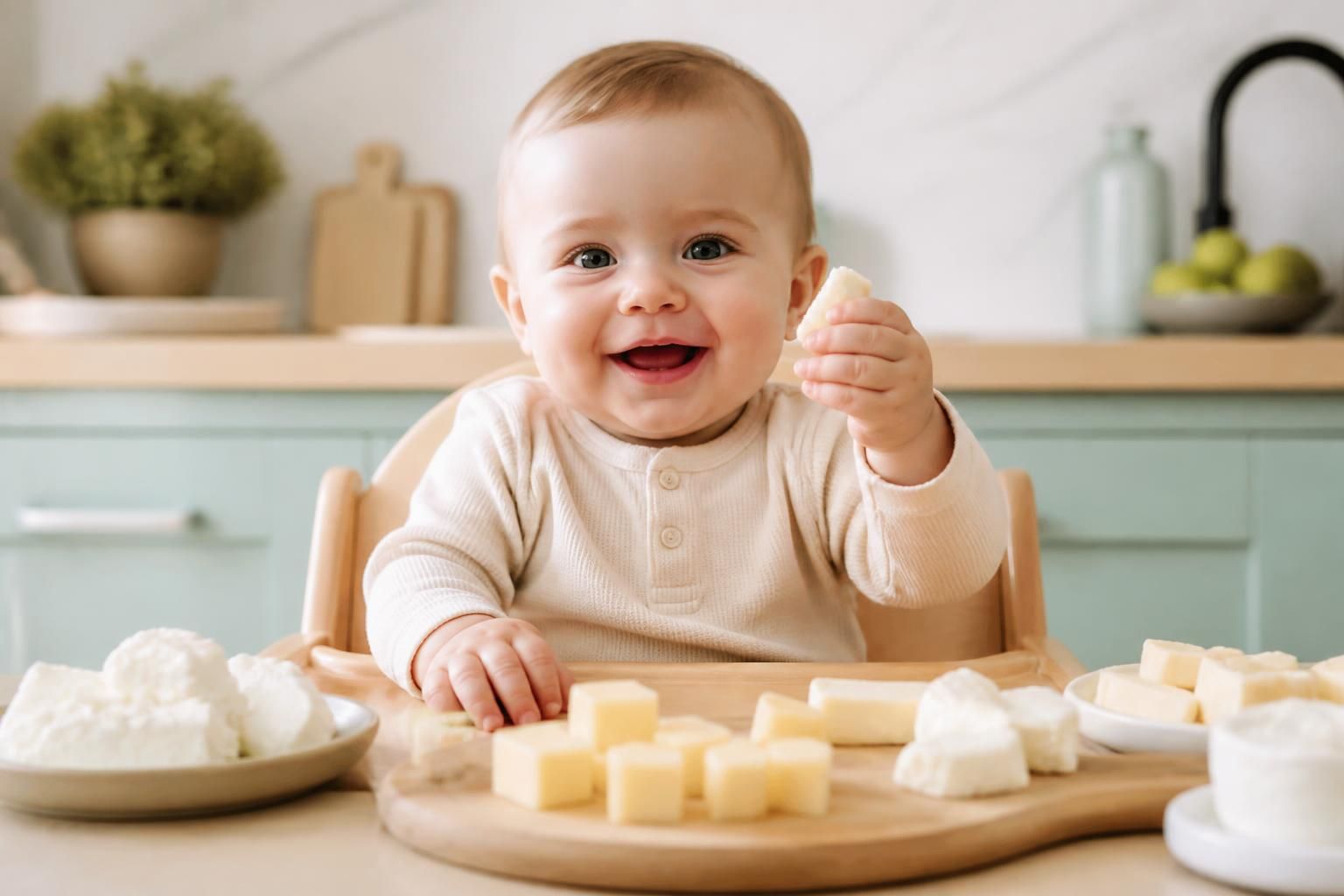
When it comes to introducing cheese into baby’s diet, caution is essential to preserve their health and prevent any allergic reaction. From 4 to 6 months, this step involves making an informed choice of the types of cheeses to offer, prioritizing food safety and nutritional quality. Baby cheese thus goes hand in hand with gentleness, balance, and respect for the specific needs of the child’s still fragile digestive system, while ensuring to limit the risks of food allergies.
In brief
An overview of cheeses suitable for babies to combine enjoyment and allergy prevention in a balanced baby diet.
- Start gently: introduce cheese from 4-6 months with fresh pasteurized cheeses
- Safety first: avoid raw milk cheeses before 5 years to limit microbiological risks
- Suitable textures: favor melted or grated cheeses then progress to soft chunks
- Food monitoring: stay vigilant for signs of food allergy or lactose intolerance
A gradual introduction of cheese, with informed choices, ensures controlled allergy sensitization and optimal infant nutrition.
When and how to safely incorporate cheese into baby’s diet?
At the heart of dietary diversification, offering cheese to baby requires respect for precise timing. From 4 to 6 months, although breast milk or infant formula remains the main food, specialists encourage a gradual initiation to cheese, especially in the form of fresh pasteurized or grated cheeses, guarantees of food safety. This delicate introduction awakens the taste while minimizing microbiological risks associated with dairy products.
The melted or grated texture perfectly suits babies who are still discovering chewing, while around 10 months, you can gently offer firmer and more reassuring pieces. This increase in texture diversity accompanies the development of chewing abilities without rushing baby. A systematic and gentle introduction is part of true allergy prevention that reassures parents and prepares baby for future tasting experiences.
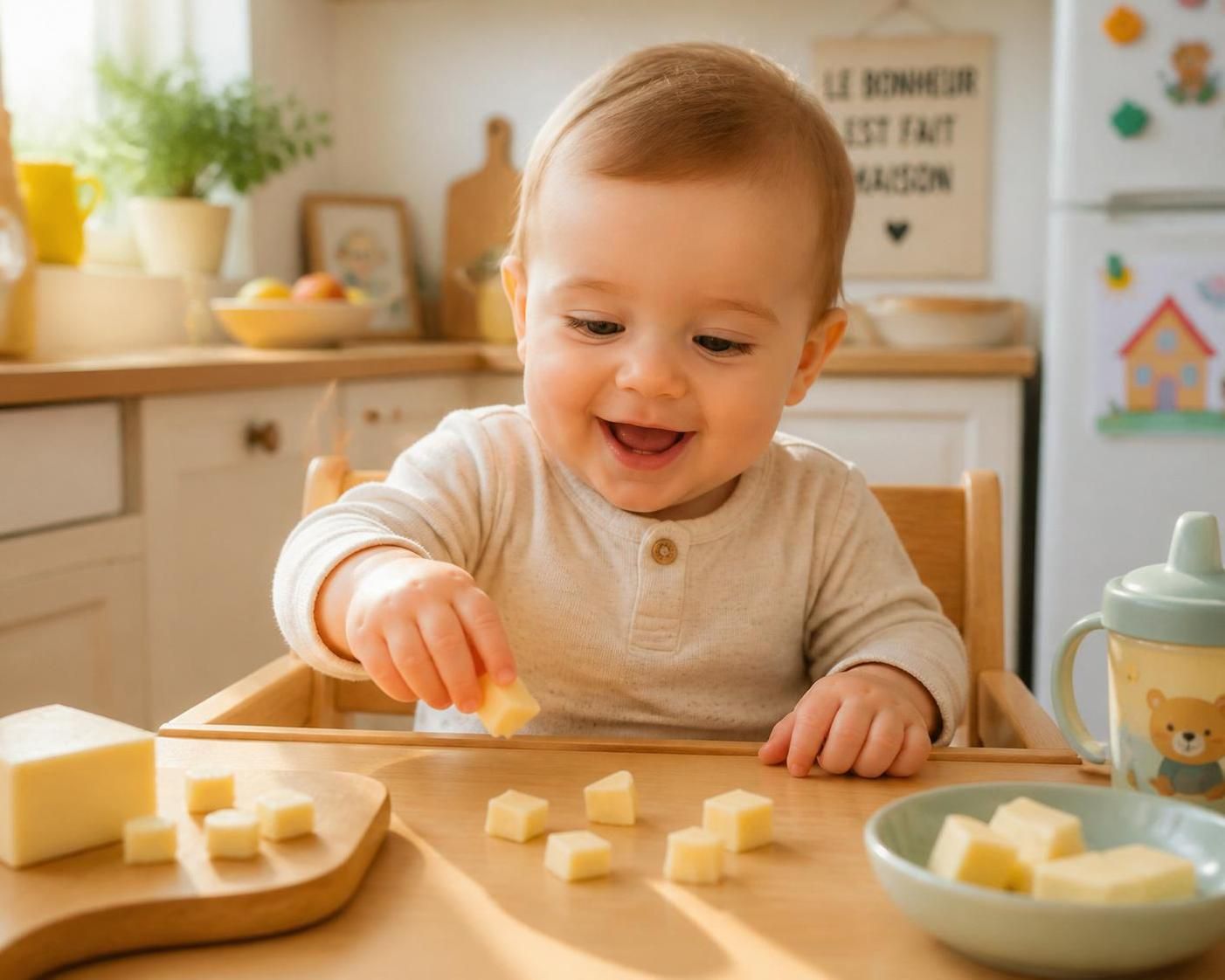
Which types of cheese to prioritize to avoid food allergies?
The choice of cheese is not trivial when aiming to avoid any undesirable reaction. In 2026, recommendations emphasize the necessity to select exclusively pasteurized milk cheeses, guaranteeing better food safety. Raw milk cheese is strictly discouraged before the age of 5 years due to the increased risk of contamination by bacteria such as Listeria or E. coli.
Pressed cooked cheeses, such as Comté or Emmental — whose consumption is common according to specialized advice — provide an excellent source of calcium and are free from pathogenic bacteria when pasteurized. Fresh cheeses like fromage blanc or ricotta, mild and easy to integrate into purees, are also safe allies to start with.
| Type of cheese | Examples | Recommended age | Comments |
|---|---|---|---|
| Pressed cooked cheeses | Comté, Emmental, Gruyère | From 6 months | Ideal grated or melted, low in salt |
| Fresh cheeses | Fromage blanc, Ricotta, Petit-suisse | From 4-6 months | Adapts well to purees, soft texture |
| Pasteurized soft cheeses | Camembert, Brie (pasteurized) | From 10-12 months (without rind) | Watch for tolerance, offer without rind |
| Raw milk cheeses | Reblochon, Roquefort | Forbidden before 5 years | Significant microbiological risks |
Important to know: avoiding the pitfalls of industrial cheeses
Industrial portions like “La Vache qui rit” or “Kiri” seem convenient, but these cheeses often contain additives and melting salts not suitable for baby’s diet. It is preferable to reserve them for very occasional consumption, generally after 3 years, to favor a natural and respectful baby diet.
Monitoring and allergy prevention: recognizing signs and acting quickly
Integrating cheese into baby’s diet requires vigilance regarding potential signs of food allergy or intolerance. Although rare, these reactions can appear from the first bites. Proper allergy sensitization management involves careful observation, notably of skin symptoms (redness, hives), digestive symptoms (vomiting, unusual diarrhea), or respiratory symptoms (persistent cough).
When these signs appear, the rule is simple: stop cheese immediately and consult a pediatrician to avoid any aggravated risk. This approach protects baby while allowing the best assessment of individual tolerances without alarmism.
Practical advice for calm cheese introduction
- Start with small melting amounts in purees between 4 and 6 months.
- Gradually offer firmer pieces from 10 months, monitoring chewing.
- Choose only pasteurized milk cheeses.
- Always carefully read labels regarding salt and additives.
- Avoid raw milk cheeses and processed cheeses rich in melting salts.
- Consult a pediatrician if your child has allergic history or digestive disorders.
At what age can you start giving cheese to baby?
It is recommended to introduce cheese from 4 to 6 months, favoring fresh pasteurized cheeses, in melted or grated form in purees.
Which cheeses should be avoided before 5 years?
Raw milk cheeses are strictly discouraged before 5 years due to significant microbiological risks.
How to recognize a cheese allergy in baby?
Watch for skin signs (redness, hives), digestive signs (vomiting, diarrhea), or respiratory signs after ingestion. In case of doubt, consult a pediatrician.
Should industrial cheeses be avoided for baby?
Yes, their high content of additives and melting salts makes them unsuitable before age 3. Prefer natural and pasteurized cheeses.
How much cheese can a baby consume?
After 12 months, a portion of about 20 g per day is sufficient to benefit from calcium and protein intake without excess salt.


